Nikki Sweeney
It is difficult to fully express my gratitude for the journey I have had in education and the deep sense of purpose that continues to guide my work. After serving as Assistant Head of School and Head of Upper School at The Village School of Naples, I have transitioned to continue my life’s work through Pay It Forward Enterprises. While the setting has evolved, the mission remains the same: advancing the lives of young people through leadership, innovation, and meaningful human connection.
My path has been shaped by more than two decades at the University School of Milwaukee, where I served as Director of Innovation, Educational Technology, and Entrepreneurship. It has been strengthened by graduate studies in Educational Leadership and Technology in Education. But the true foundation of my work has always been the students themselves. Their curiosity, their questions, and their desire to lead lives of purpose continue to inspire everything I do.
That inspiration led to my earlier book, The Virtue Code: A Guide to Flourish for the AI Generation, which reflects a generation’s desire to navigate a rapidly changing world with both wisdom and integrity. More recently, it has shaped my newest work, The Quiet Crisis and the Future Worth Building, where I explore a deeper and more urgent reality: why educators are leaving, how the structure of schooling is being challenged, and what must come next as we rethink learning in an age of artificial intelligence.
Together, these works represent both a belief in human potential and a call to action. One focuses on the development of young people. The other examines the systems meant to serve them.
At Pay It Forward Enterprises, I am building on this foundation by helping students, educators, and leaders unlock potential, strengthen connection, and design more human-centered approaches to learning. I am especially energized by the opportunity to explore how technology can elevate, rather than replace, what matters most: relationships, purpose, and the cultivation of a meaningful life.
The journey continues, and I could not be more energized to keep growing, learning, and paying it forward.
AI Chatbots & Connection
Posted in Uncategorized
Tagged AI Chatbots, education, Human Connection, mental-health, virtue
Leave a comment
The Power of Human Connection: Why Taking Phones from Kids Matters Now More Than Ever
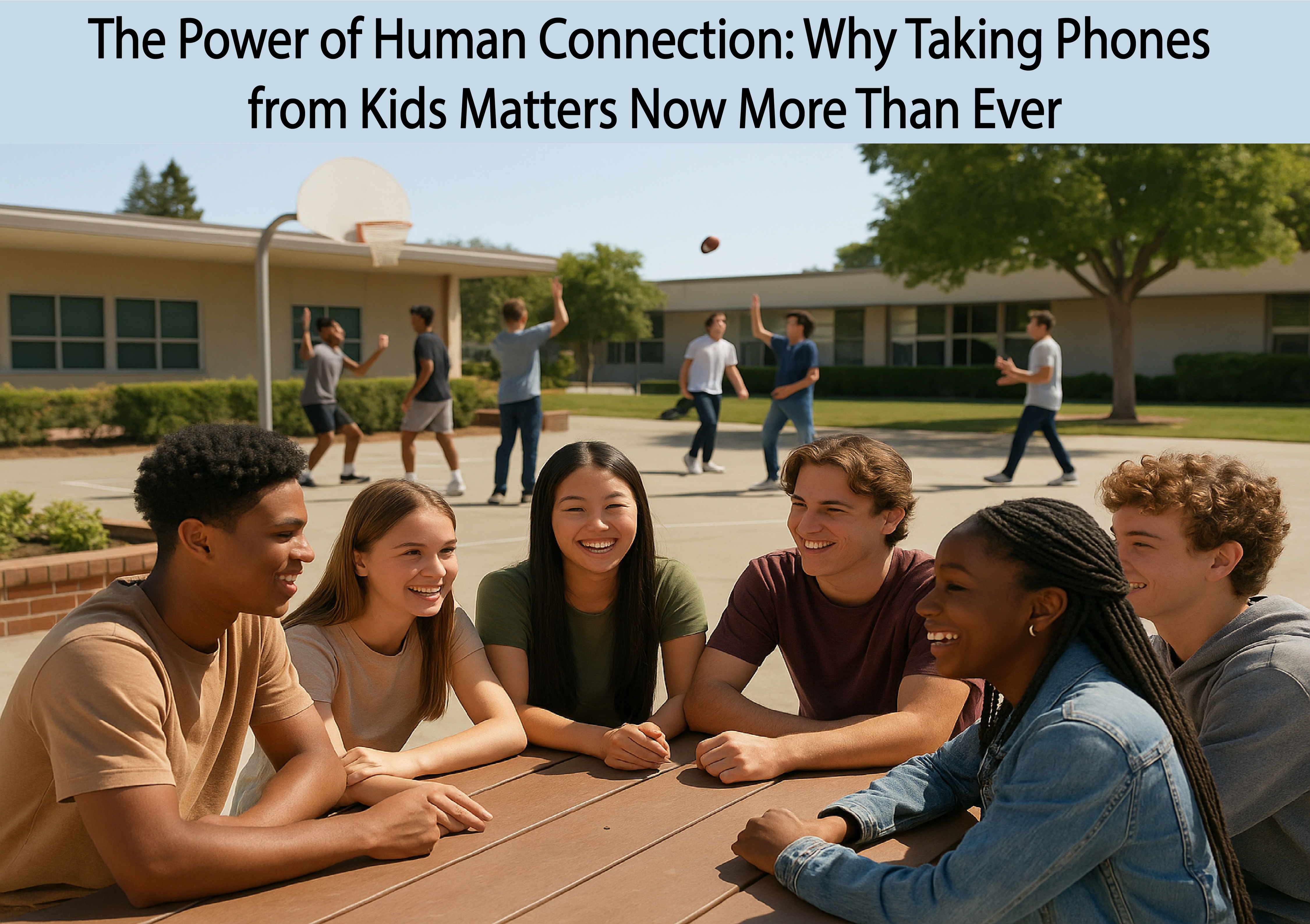
In the recent years working with teenagers, I have felt the dramatic power phones have over our children, not to mention their parents who do much of their professional work 24/7 from them in our constantly connected world. During the last two years, I have become increasingly worried even after banning mobile phones at school in 2022. Why? Artificial intelligence (AI) is blurring the boundaries between reality and virtual solace, too many children are leaning on chatbots when they do have their phones and it’s not to complement human relationships, but to replace them. AI was initially used to offload productivity tasks, and now it’s used for emotional tasks. Imagine that; According to a study of 2000 Gen Zers by Joi AI, a chatbot company, 83% believe they can form a deep emotional connection with AI. This shift isn’t just worrisome—it risks the very essence of humanity and could worsen the mental health crisis gripping our society.
Current data reveals alarming trends as cited by Common Sense Media painting a stark portrait of the growing reliance on AI companions among U.S. teenagers:
- 72% of teens (ages 13–17) have used AI companion chatbots at least once (ScienceAlert, Scientific American, Teen Vogue).
- 52% of teens engage with these apps multiple times per month (ScienceAlert, Spark & Stitch Institute, Teen Vogue).
- 13% report daily interaction with AI companions (Teen Vogue).
- 33% use AI companions for friendship, emotional support, or romantic interactions (Scientific American, Parents, Teen Vogue).
- 31% (roughly one-third) find conversations with AI as—or even more—satisfying than those with real friends (Parents, Teen Vogue).
These numbers are more than percentages. They represent a generation increasingly mistaking digital simulations for meaningful relationships for three reasons to start.
1. Replacing Real Connection with Simulation
Chatbots can mimic emotional warmth and empathy, offering immediate comfort. Yet, unlike real human relationships, they lack depth, vulnerability, and true reciprocity. Human connection can be messy, like some of the greatest challenges we will have to overcome. Statistics show many teens are choosing AI over humans for serious conversations, a shift that could stunt emotional development (New York Post, AP News, Teen Vogue).
2. Emotional Dependence and Psychological Risks
Academic research indicates that people with fewer real-world connections are more likely to turn to AI companions—and that such usage is linked to lower well-being, particularly among heavy users (arXiv). Other studies highlight risks of “artificial intimacy,” where emotional attachments to AI mirror human relationships but lack authenticity, potentially leading to social withdrawal and difficulty forming real bonds (arXiv, Wikipedia).
3. Real Harm: Cases of AI-Driven Distress
Tragically, there are documented instances where emotionally responsive chatbots contributed to crisis situations—including suicides—due to encouragement or misguided responses (Wikipedia). These stories underline how unregulated AI can exacerbate vulnerable states, especially when alternative support systems are lacking.
Why Removing Phones—and Limiting Chatbot Access—is a Critical Step
Taking phones away from kids isn’t about censorship—it’s about creating space. When children are smartphone-free:
- They rediscover the power of presence, empathy, and genuine connection. Without the instant gratification in their hands the potential for them to use their minds and imaginations to be creative and connect with others increases significantly. I watched them pick up a ball and begin kicking it around the field or simply talk to their classmates about virtually everything.
- Family, friends, and communities re-emerge as essential sources of support. Students turn to one another instead of their devices. Imagine a student engaging in conversation with peers or teachers about the many happenings in their lives to get authentic responses by individuals with whom they share a school or family! It matters.
- Kids learn to sit with discomfort, conflict, humor, and joy—things no AI can authentically deliver. Helping students build resilience, problem solving, self awareness, and social awareness to manage relationships leads to developed emotional quotients and happiness. Harvard’s longest, multigenerational study revealed that close, warm relationships are a stronger predictor of happiness, health, and longevity than wealth, intelligence, or social status. AI chatbot access has the potential to do incredible harm to the long term mental health and happiness of our society!
In fostering real connection, we’re not withdrawing a convenience—we’re gifting resilience, empathy, and the ability to flourish together.
The good news is that we can reclaim humanity through connection. The data is clear: AI chatbots are filling emotional voids—but they cannot replace the human heart. As 52% of teens now visit these platforms monthly and 13% daily, we must question what’s being lost: real dialogue, empathy, vulnerability.
By stepping in, setting boundaries, and encouraging face-to-face interaction, we protect more than social skills. We guard against isolation, emotional distortion, and a generation drifting into artificial intimacy. Let’s give our children something truly irreplaceable: the chance to grow, connect, and understand the power of humanity.
Posted in Uncategorized
Tagged ai, artificial-intelligence, chatgpt, mental-health, smart-phone-ban, technology
Leave a comment
What Does It Mean to Truly Flourish in the Age of AI

We hear the word “AI” almost daily—artificial intelligence is shaping everything from how we write essays to how we drive our cars. Algorithms suggest what we should watch, who we should follow, and even how we should think. The future, it seems, is faster, smarter, more efficient.
But in all this “smartness,” I worry we may forget what it means to be wise.
That’s why The Virtue Code exists. Not as a warning against technology, but as an invitation to reclaim what makes us human. It’s about remembering that flourishing is not something you download, stream, or automate—it’s something you live.
Flourishing means growing from the inside out. It’s rooted in timeless values: kindness, curiosity, gratitude, perseverance, humility. These are not just “nice-to-haves.” They’re essential life skills that no machine can replicate.
Why It Matters for the Next Generation
As an educator, I’ve seen firsthand the toll that modern life can take on young people. More anxiety. More pressure. More comparisons. And while AI might be able to write a term paper in under ten seconds, it can’t teach a teenager how to believe in themselves again after failing a test… or losing a friend… or feeling like they don’t matter.
Only human connection can do that.
Only virtue can guide you when no app has the answer. And only a flourishing life—one built on character, not clicks—will truly sustain you through both the victories and the valleys.
The Good News
Virtue isn’t something you earn. It’s already within you. Every student I’ve met carries the potential to be courageous, empathetic, and purpose-driven. Sometimes, they just need a reminder. A spark.
A voice that says:
You’re more than your test scores.
You’re more than your feed.
You’re more than enough.
Flourishing is not about becoming someone else. It’s about becoming the fullest version of who you already are.
One Small Practice
So here’s a practical challenge. This week, choose one virtue—just one—and live it on purpose:
- Show gratitude by writing a thank-you note to someone who doesn’t expect it.
- Show courage by standing up for someone being left out.
- Show curiosity by asking “why” one more time than you normally would.
- Show kindness when it’s inconvenient.
Each action you take becomes part of your code—your virtue code. And over time, these small, deliberate choices lead to a flourishing life that no algorithm could ever replicate.
Because in the age of artificial intelligence, our humanity is not our flaw—it’s our superpower.
Posted in Uncategorized
Tagged aristotle, ethics, faith, philosophy, virtue, virtue code
Leave a comment
Commencement 2025 by Nikki Sweeney
Good evening, everyone! To the faculty, families, and friends, thank you for being here today. But most importantly, congratulations to the graduating class of 2025! You made it!
As you stand here, poised for a thrilling “Choose your Own Adventure” called life, it reminds me of those early days four years ago when we began in the Upper School together… For me, it was like stepping into a giant game of ‘Chutes and Ladders,’ trying to figure out where everyone was going! And for you, I’m sure some days felt longer than others, but looking back, it’s astonishing how quickly it all went – the plays, games, meets, matches, homecomings, and proms!

In this blink-of-an-eye timeframe, I’ve had the privilege of witnessing your transformation into these wiser, more skilled, talented, and (dare I say it?) even more passionate young adults. You’re right on the cusp of what John 10:10 beautifully calls ‘abundant life’ – or as we less formally say, to ‘flourish.’ And ‘flourish,’ let’s be honest, is a fantastic word that we don’t hear a lot. It’s not just surviving that pop quiz you forgot about, or one of Mr. G’s tests, it’s your phone battery going from that dreaded red sliver to a glorious 100% power after finally finding an outlet. It’s growing like crazy, increasing in vigor, complete connection, truly thriving. And that, hopefully less chaotic than our first week at TVS together four years ago, is my heartfelt wish for each of you as you launch into this incredible life, the life you dream of and envision when you close your eyes at night.

The world you’re entering is one of unprecedented change. Artificial intelligence is reshaping industries, redefining jobs, and challenging our understanding of what it means to be human. In the face of this, you might wonder: what will guide me? What will ensure my success and well-being? My answer, graduates, lies not in the latest technology, but in something far more enduring: the timeless virtues that reside within each of you.

I’ve spent much of my life exploring these virtues, and in my recent book, “The Virtue Code: A Guide to Flourish for the AI Generation,” I outline several that I believe are essential for a flourishing life, especially in the age of AI. Today, I want to focus on a few that I know you already possess and that will continue to serve you well in the increasingly technological world we live in.

First, curiosity. Remember when you were little and constantly asked “why?” or more recently, “Why can’t we prank the faculty with a pretend pest control company looking for an alleged snake in the building?” Seriously, though, you know that innate desire to learn, to explore, to question – that’s curiosity. Don’t let that fade away. In a world driven by innovation, your curiosity will be your compass, leading you to new discoveries and groundbreaking ideas with the potential to truly improve the world we live in.

Second, courage. The path ahead won’t always be easy. You’ll face challenges, uncertainties, and moments that test your resolve. But within you lies a wellspring of courage – the strength to step outside your comfort zone, to stand up for what you believe in, and to persevere even when you’re afraid. Mr. Leo spoke to this very virtue at the senior dinner when he suggested taking that step forward in the face of fear to continue growing. I’ve watched you demonstrate resilience here when setbacks arose and so I know you will continue to build on that moving forward.
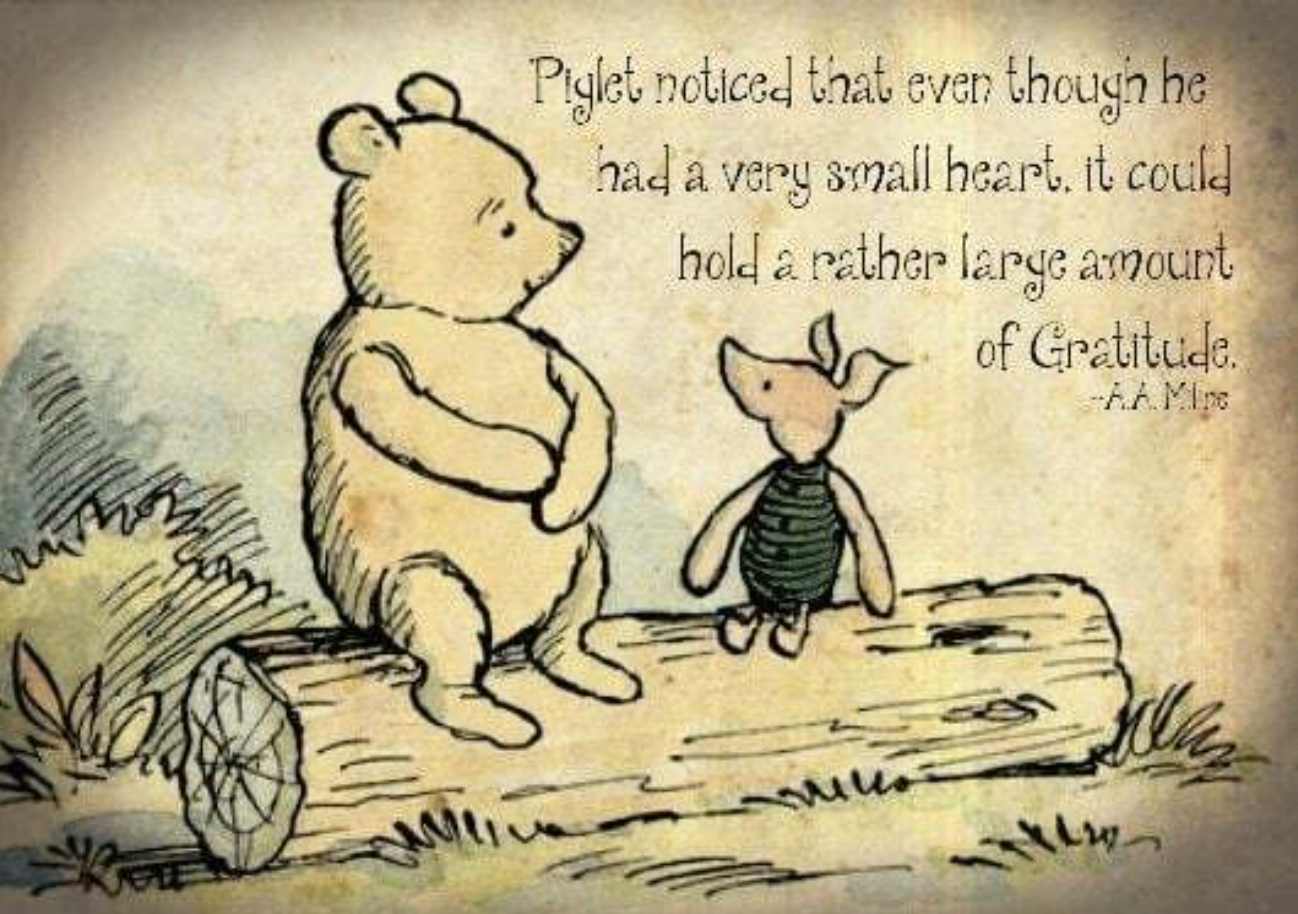
Let’s not forget the remarkable virtue of gratitude, one that truly shines in this graduating class. Your genuine “thank you’s” and thoughtful expressions of appreciation have not gone unnoticed, even in the face of the challenges that arose. Cultivating gratitude enriches your life and strengthens your bonds with others. In a world that often rushes by, pausing to acknowledge the kindness and support you receive creates a ripple effect of positivity.

Gratitude shifts your focus from what you lack to what you possess, from what you want to what you have. It reminds you of the people who have helped you along your journey. Look to the audience, graduates, at your parents, your teachers, your friends. I’ve heard you say, “Thank you” thousands of times, and today might just be another opportunity to share your spirit of gratitude. It will serve you well in every relationship, every challenge, and every success you encounter. Your ability to appreciate the good in your lives will continue to be a source of lasting joy and fulfillment.
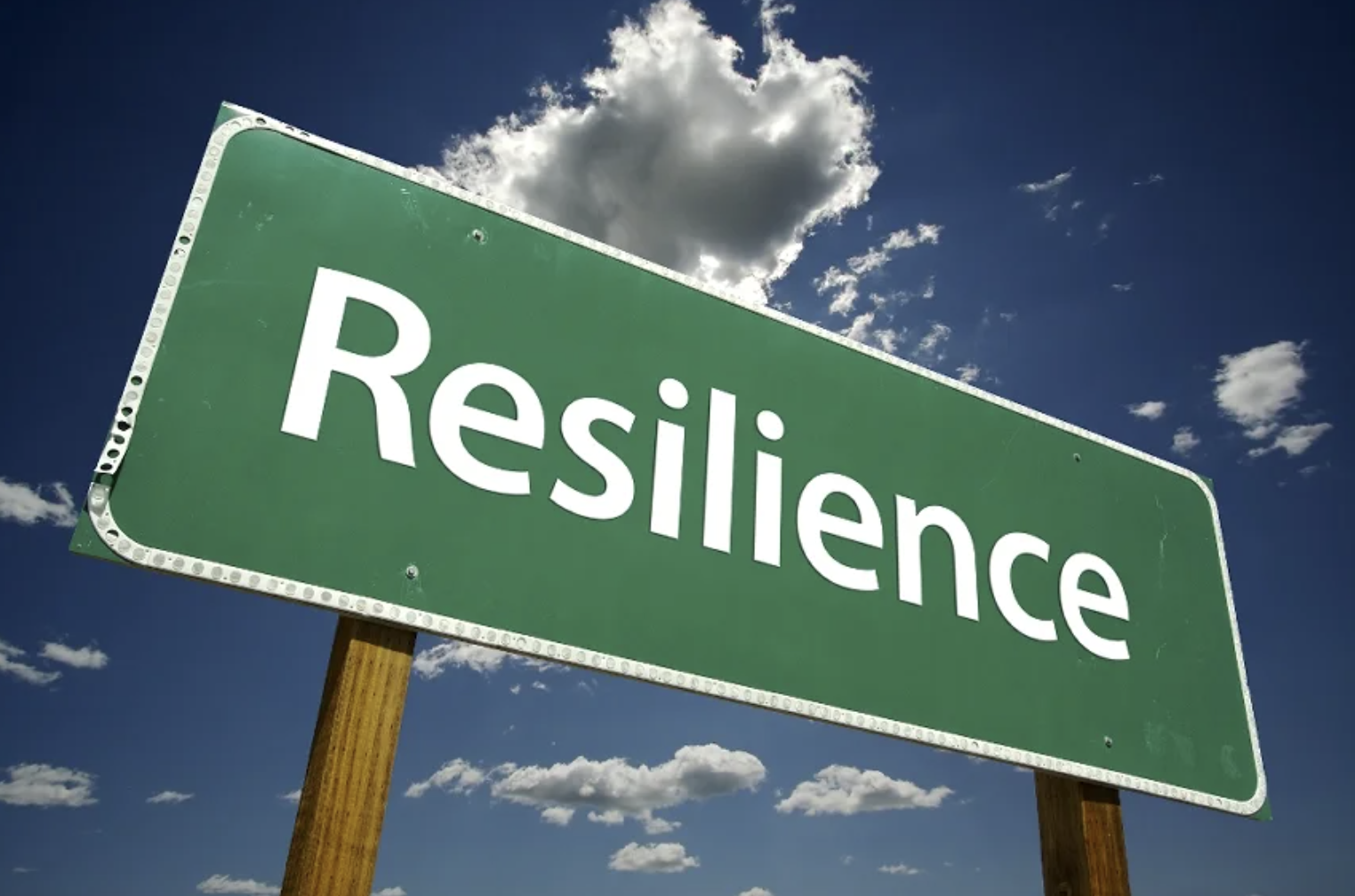
Fourth resilience. You will stumble, you will fall, you will experience setbacks. That’s inevitable. But what defines you is your ability to rise again, to learn from your mistakes, and to keep moving forward with determination. It was Nelson Mandela who said, “The greatest glory in living lies not in never falling, but in rising every time we fall.”

And finally, compassion. In an age of increasing technology, let us not forget the power of human connection. Be kind to one another. Be generous with your time, talents and treasures – what I call the three T’s. Seek to understand, to support, and to uplift those around you.
Graduates, AI may be able to process information faster than any human, but it cannot replicate the spark of curiosity, the fire of courage, the strength of resilience, a heart filled with gratitude, or the depth of compassion. These are your unique gifts, virtues – your human superpowers.
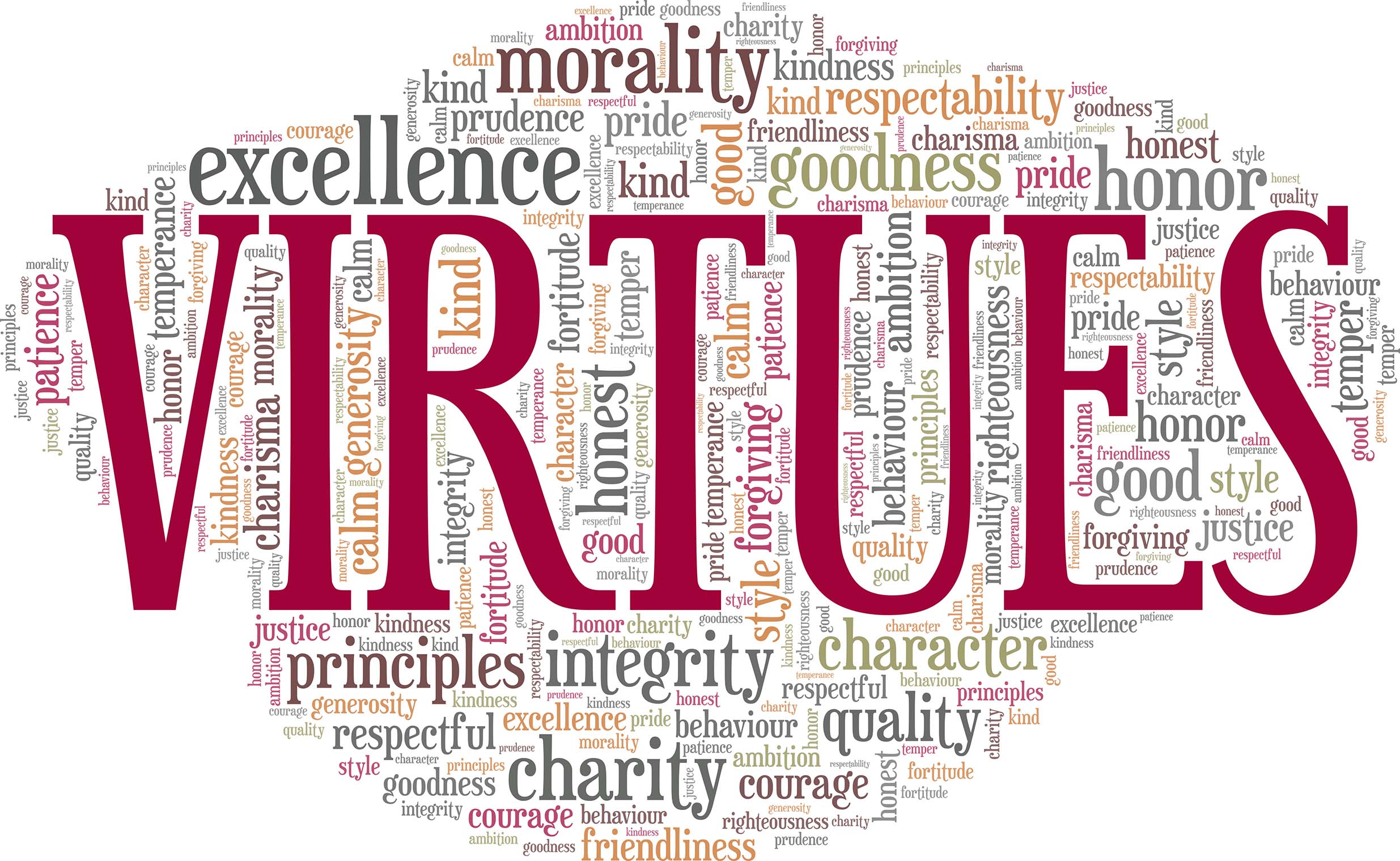
As you step forward, embrace these virtues. Let them guide your decisions, shape your relationships, and fuel your ambitions. Use them to not only achieve personal success, but also to build a better, kinder, more humane world.
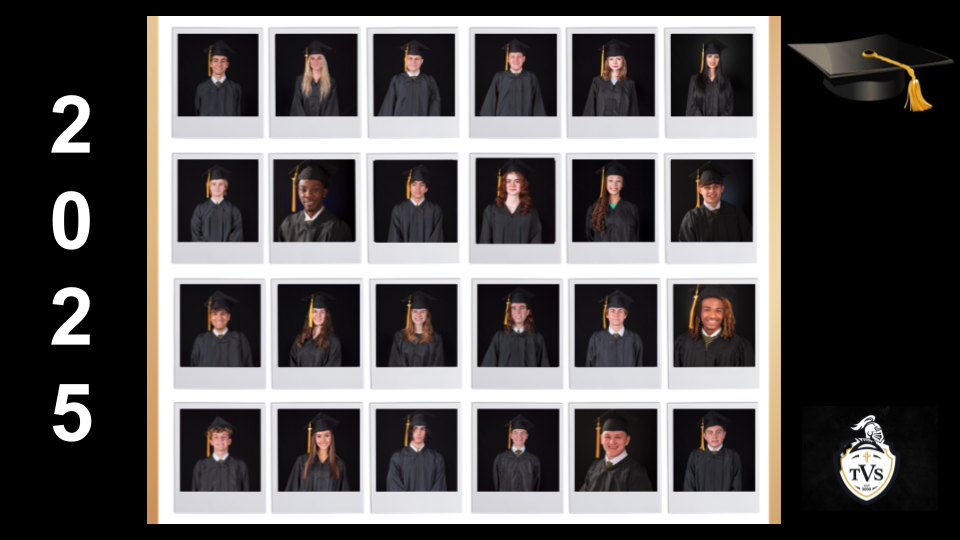
Class of 2025, I have immense faith in your potential. Go forth, be curious, be courageous, be grateful, be resilient, be compassionate, and above all, go forth and flourish!
Posted in Uncategorized
Leave a comment
School Smartphone Ban: Mental Health and Academic Success
The conversation over banning cell phones in high schools presents a multi-faceted discussion, particularly concerning students’ mental health and academic performance. At the end of the 2021 – 2022 school year my team and I reviewed the mental health data we collected pertaining to the number of students requiring direct interventions to support them through their challenges. Not surprisingly, those students’ academic achievement also declined. Upon careful examination, the consistent issues that became evident in every situation was the lack of belonging and connection with heavy reliance on electronic devices, particularly cell phones, by these students. Furthermore, my team and I also tracked the data of students who were well-adjusted and academically successful and found that they participated in either athletics or the arts programs at school and interacted with one another during the school day with much less emphasis on the use of cell phones. In essence, they belonged to something bigger than themselves at school and relied on cell phones less to connect with one another during the school day.
While many people have proposed that technology makes students more connected, direct observations and anecdotal data indicate quite the opposite on campus. Therefore, we created two policies that endeavored to improve students’ well being and academic achievement. The first policy requires all students to either participate in a sport or the arts program, and the second policy bans mobile phones from being used during the school day. Not surprisingly, this was an unpopular decision and there were many who were unhappy with the decision. Nevertheless, the policies remained and there was an almost instantaneous change during lunch and flex periods on campus. Students were once again eating and talking with one another at tables instead of being focused on their phones and they were even beginning to engage in athletics and the arts during less structured times. It was truly incredible and the effects were almost immediately seen in the decrease of mental health and behavioral issues. The data after two years with these policies in place indicate tremendous success. Students’ mental wellbeing has improved by 94% as measured in the amount of mental health interventions required and academic achievement has increased significantly as measured in standardized test scores.
Here is a list of various aspects related to this important and timely topic:
1. Impact on Mental Health and Counseling Needs:
An increase in smartphone use among students has correlated with heightened anxiety, decreased attention spans, and greater reliance on virtual interactions. Banning smartphones could potentially reduce students’ need for counseling by limiting distractions and sources of stress, such as social media and constant connectivity. This, in turn, may foster a more focused and less anxious student environment.
2. Reduction in Bullying:
Smartphones can be a conduit for cyberbullying. Their presence in schools makes it easier for bullying to continue uninterrupted throughout the school day. Banning smartphones could lead to a significant reduction in bullying incidents, as students have less opportunity to engage in harmful online behaviors during school hours. Moreover, the physical school environment becomes a safer space, free from the extended reach of digital bullying.
3. Academic Improvements:
Numerous studies suggest that smartphone distractions can undermine students’ ability to concentrate on academic tasks. Removing these devices from the school setting could enhance focus and increase classroom engagement, thereby improving academic performance. This shift may also encourage better study habits and more direct interaction with educational content.
4. Differential Impact on Gender:
The observation that girls may benefit the most from the absence of smartphones in schools could stem from differences in how genders use technology. Girls might engage more in social media, focusing greatly on outward appearance and acceptance, which has been linked to higher rates of depression and anxiety. By removing smartphones, schools might see an improvement in the mental health and academic focus among female students.
5. Observations from School Settings:
Anecdotal evidence from school settings supports the idea of banning smartphones. For example, during lunch and other downtimes, students without access to their phones are more likely to engage in face-to-face interactions, thereby enhancing their social skills and reducing feelings of isolation or exclusion. These observations can provide practical insights into the benefits of such policies.
6. Challenges with Policy Enforcement:
Students who attempt to circumvent smartphone bans are often those who struggle most with social, behavioral, and academic issues. Addressing these challenges requires more than just enforcement of rules; it calls for understanding the underlying issues these students face and providing them with the necessary support to overcome these hurdles.
In summary, the discussion around banning smartphones in schools is not just about removing a distraction but also about creating a healthier, more engaging, and supportive educational environment. By examining the effects over the last 3-4 years and identifying specific benefits and challenges, educators and policymakers can better tailor their approaches to meet the needs of all students. At The Village School of Naples, the results of the policy decisions made two years ago provide evidence enough for my team and me to continue to fully support them as we strive to provide the healthiest and most positive environment for our students to be successful.
Transformation: A Lesson in Love
From the earliest of ages, I learned to love from my parents and my ten older sisters as they looked at me with loving eyes, and I mirrored that love in return. It is a pivotal component of emotional development, and I was fortunate to be raised in a home so filled with love. When I became an older sister to my two younger sisters and eventually a parent, I expressed love in much the same way I felt it as a child. My own children experienced love from me as their mother as they grew to understand it. It is an important bond that they have continued in raising their own children, creating a perpetuating cycle of connection through love. This concept is foundational to the development of our youth today, and as a lifetime educator, I have noticed that when it is missing, our children suffer from significant mental health issues that have elusive answers.
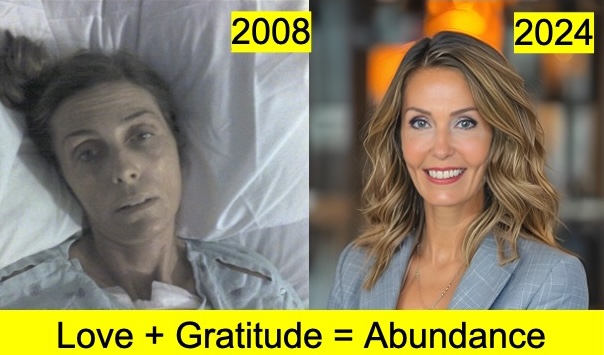
Today, as I reflect back on my own life, it is easy to recognize that LOVE has been the overriding tool that has guided me to greater abundance with people in my work, family, and friends. Love brings out the very best in us even when we are at our lowest and most broken and vulnerable; maybe that’s when we understand it best – when in 2008, I had nothing to truly give another except for my love and gratitude. Do you suppose that is why we find children so endearing? Children express that which they can only give and are our greatest examples of what unconditional love truly is. I have worked with and around young children for over 30 years, and I can assure you that spending time with them each day as a teacher and administrator brings incredible joy that few other things in this world can. Dogs are another great example. Think about it. Dog spelled backward is God, and maybe it is because they help to teach us what unconditional love is in a world so filled with divisive hatred and discontent.
So perhaps today, we can look for ways to spend more time with our young children and animals. It doesn’t have to be complicated or overly sophisticated. Enjoy the simplicity of God’s most important guiding principle and tool for life with the special creatures He has provided us and begin to experience the transformation only LOVE can provide.
Sometimes an image can express more than words ever could and I will do my best to reflect on that and write something more substantial on the topic soon.
Posted in Uncategorized
Leave a comment
Commencement 2024 by Nikki Sweeney
Have you ever had a thought or idea that compelled you so much that you began investigating it and lost complete track of time? You went down a rabbit hole and came out hours or even days, weeks, months later? I have seen many of you here today do that very thing with an idea regarding a person, a game, a sport, or a problem you’re struggling with… We all do it at some point – including me as I complete the final chapter of my book on a topic that had stymied me for years, but why? Maybe it’s curiosity, but I feel like whatever inspired that initial action was seeking clarity or understanding around a given topic.. We want to understand with greater clarity that which was spurred by something inside of us..
Well I’m here to tell you that it’s going to happen again and again in life with simple things or really big things that can change the trajectory of your lives. What then? That’s what I want to talk about today, and I’d like to share three simple actions that have helped me, my own children, countless other students, and can easily help you on your journeys. And let me say that they are truly quite simple, and likely articulated much more eloquently by my husband in his second book, Moving the Needle, but I’m going to give it a try.
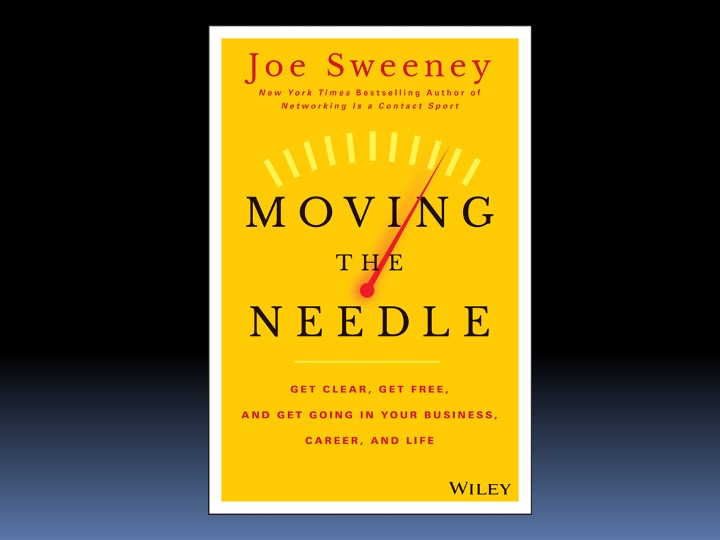
Number One: Get Clear. Number two: Get free, and Number three: Get going.
Let’s begin with number one.. Get clear.
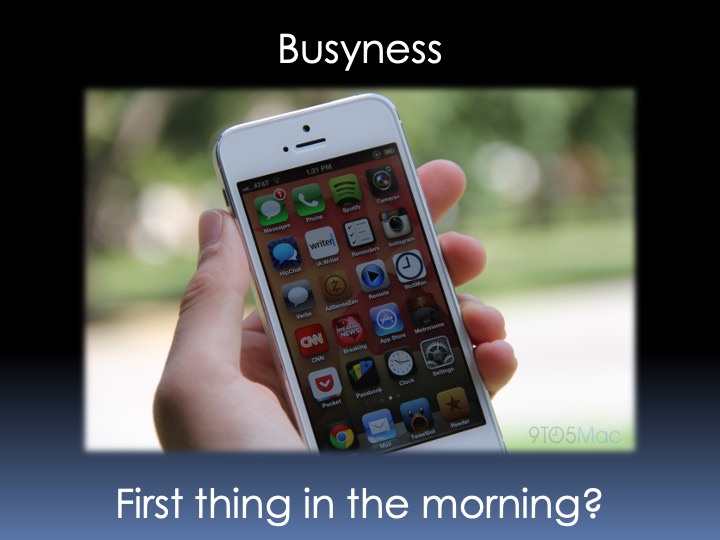
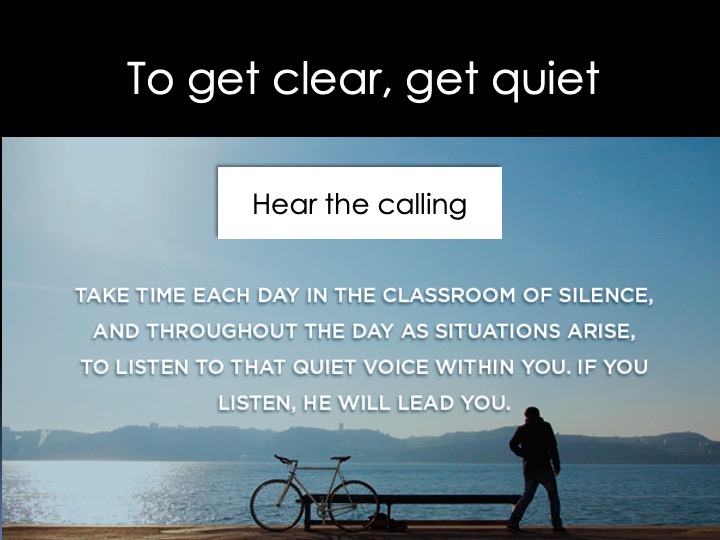
If you really want to get CLEAR, you have to get QUIET. In these days of iphones, the Internet, and social media – that is perhaps our number one challenge. In fact, busyness seems to be a badge of honor that people can’t talk about enough these days. Interestingly, in 1940 CS Lewis wrote a book called The Screwtape Letters.

The book is about how a young aggressive devil is trying to ruin mankind. The evil, Satan says, “I’ve got a bigger plan, I will keep people SO busy that they won’t be able to hear the voice of God.” That was in 1940 before the iPhone was even around. I’m not talking about spending three hours in solitude every day, but perhaps start your day with 5 to 10 minutes of quiet time to set your intentions for the day.
Number two…GET Free.
What I mean by that are two things. Eliminate all negative beliefs and thoughts about yourself. Have you ever noticed that we compare our deepest darkest times with people’s Snaps and their Instagram’s greatest moments?

When students come into my office, I usually ask them, “What is your self-talk? What are you saying to yourself about yourself?” The one thing I want to leave with you is remember you are a loved human being by our creator and by all of us here at The Village School.
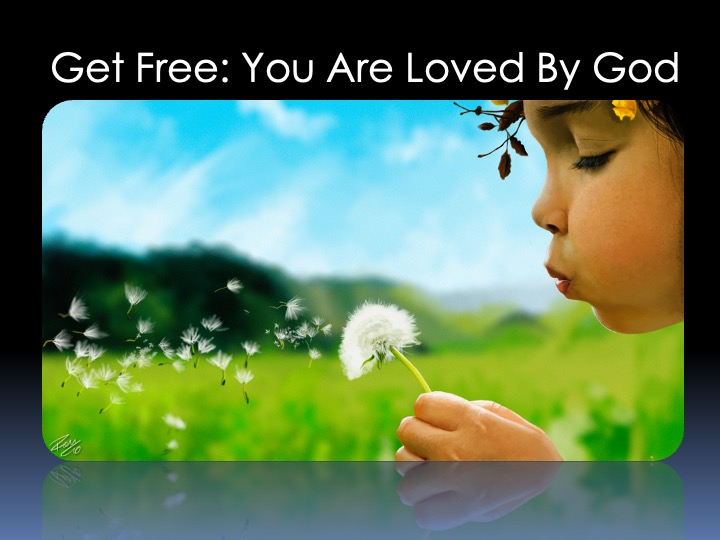
The other part of getting free is eliminating all excuses to take 100% responsibility for your decisions. How many times do you say you’d like to do something and want to do something, but then come up with an excuse NOT to do it.
For example, I may have told myself that I was going to get up earlier and exercise because I get home too late from work to do it during the evening, but then excused myself from this great habit with, “I’m too tired to get up and need more sleep.” That’s pretty weak; getting to bed earlier instead of scrolling through Instagram would have helped me go to sleep earlier so that I am not too tired to do something that is truly good for me.. Eliminate excuses and take 100 % responsibility to get free.
Number 3… Get GOING.

Sometimes, when we feel like we’re stuck, we just need the right tools to get going. Here are two of my favorite tools that could help you.
I know that at your age, most of you just want all the answers (I did too) but in my 58 years on this earth, I’ve learned that it’s much more important to be able to ask good questions than it is to have all the answers.
So instead of trying to unlock the secrets to life’s mysteries for you, here are a few simple questions:
Question #1: What are you going to be when you grow up?

So what ARE you going to be when you grow up?
You have probably heard this question from the time when you were a small kid. Did you ever notice who was asking the question. It was usually asked by the adults; do you know why they were asking? Most of them are looking for clues for themselves. We think adults have all the answers. After further review, I’ve realized all we do is learn to pretend better. Back when you were a child, you would dream and say things like, “I want to be an astronaut, or a firefighter, or even the president.”
Then when you were at the end of grade school people would stop asking what you were going to be when you grow up and instead they ask, “Where are you going to high school?” Then at the end of high school, they ask, “ Where are you going to college?” And then you get to college and the question changes again. This time it’s “WHAT ARE YOU MAJORING IN? ” Boy, I struggled with that question because I wanted to major in EVERYTHING!! And NOW that you’re graduating from high school, how many variations have you all heard of, “Soo…. What are you going to do next?”
Most studies show that 80% of high school students have no idea what they are going to do when they graduate…….so relax you are in good company.
You see the wording always seems to change but the issue is still the same: People are really trying to figure out where are you headed? What are you going to do with your life? Until you graduate from college and God willing you get a job. Then people stop asking that question: “What are you going to be when you grow up?” I can’t remember the last time I was asked that question. Which is good because I am not sure how I would answer that. I have been able to do several interesting things in my life in education and business, but I knew I always wanted to be in education to help young people on their journeys to become the best version of themselves.
It’s a HARD QUESTION TO ANSWER.

But then again, the more I think about it, it really isn’t that tough of a question to answer at all. BECAUSE LIFE IS MORE THAN WORK.
If I stop thinking in terms of a career, I’ve known for a long time what I wanted to be:
A loving mother, grammy, and wife. A good sister to my 12 sisters and a loving daughter, a loyal and supportive friend and someone who gives back to my community, someone who is not afraid to show my passions, weaknesses, and vulnerabilities to others – A woman who loves helping others by educating and mentoring young students. And a woman who believes that life is a place we go to GIVE and not GET.
So when someone asks you the question “What do you want to be when you grow up?” I truly believe THESE KINDS of answers are much more important than an engineer, a business owner, a lawyer… important though those may be.
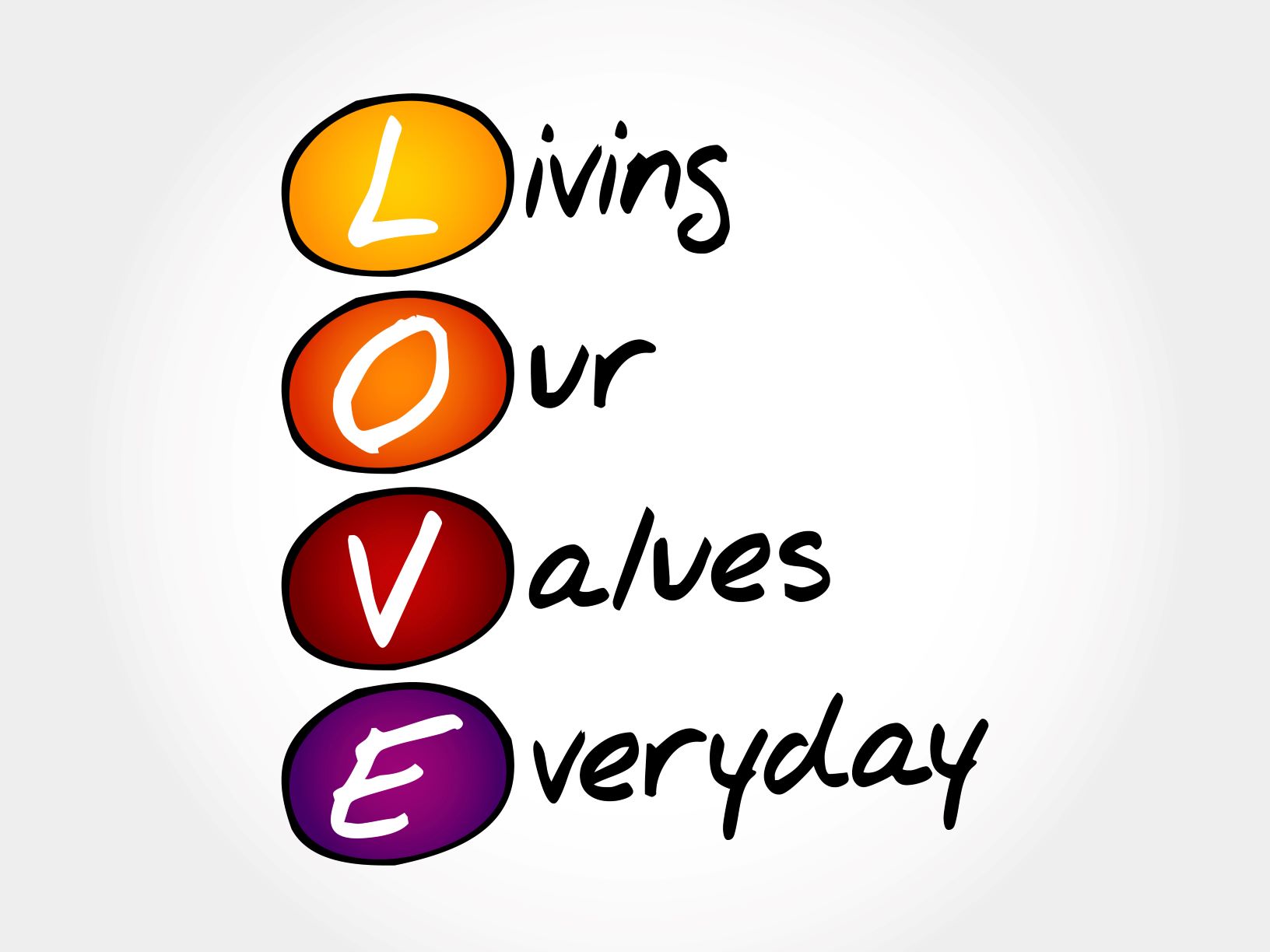
YOU SEE, THE RELATIONSHIPS WE BUILD, THE COMMITMENTS WE MAKE, THE VALUES WE LIVE BY – THESE ARE THE THINGS THAT DETERMINE WHAT KIND OF PEOPLE WE ARE. AND IF YOU DON’T DO A GOOD JOB OF DETERMINING WHAT TYPE OF PERSON YOU ARE, IT WON’T MATTER WHAT KIND OF JOB YOU HAVE. WE AT THE VILLAGE SCHOOL, ALONG WITH YOUR PARENTS, HAVE WORKED HARD TO INSTILL THESE VALUES IN YOU.
Not sure if this 100% true….
Former NBA great Michael Jordan told this story about himself years ago. He was in Philadelphia and went into a restaurant and ordered dinner. The busboy came up to him and put a roll and pat of butter down before him. Jordan looked at the busboy and said: “I’d like another pat of butter.”
“One pat of butter to a customer, sir,” replied the busboy.
Jordan looked at him and said: “Don’t you know who I am?
The busboy said: “No, who?”
He said: “My name is Michael Jordan. I played professional basketball and won an Olympic Gold Medal and won 6 championships with the Chicago Bulls, won more NBA MVP’s than anyone and I now own the Charlotte Hornets of the NBA.
The busboy replied, “Those are very impressive credentials, Mr. Jordan, but don’t you know who I am?
“No, who?”
“I’m the man in charge of the butter.”
There will always be someone in charge of the butter, the plates and everything else in your life. We need to get along with and connect with everyone. We can’t put ourselves above or ahead of others. Every person is important; they can help us AND can keep us from getting what we want. DO NOT let anyone crush your dreams OR tell you can’t do something. IF YOU REALLY WANT SOMETHING, CAN GET CLEAR, GET FREE, AND GET GOING …. YOU CAN DO ANYTHING.
Posted in Uncategorized
Leave a comment
DOL Week in the Innovation Center
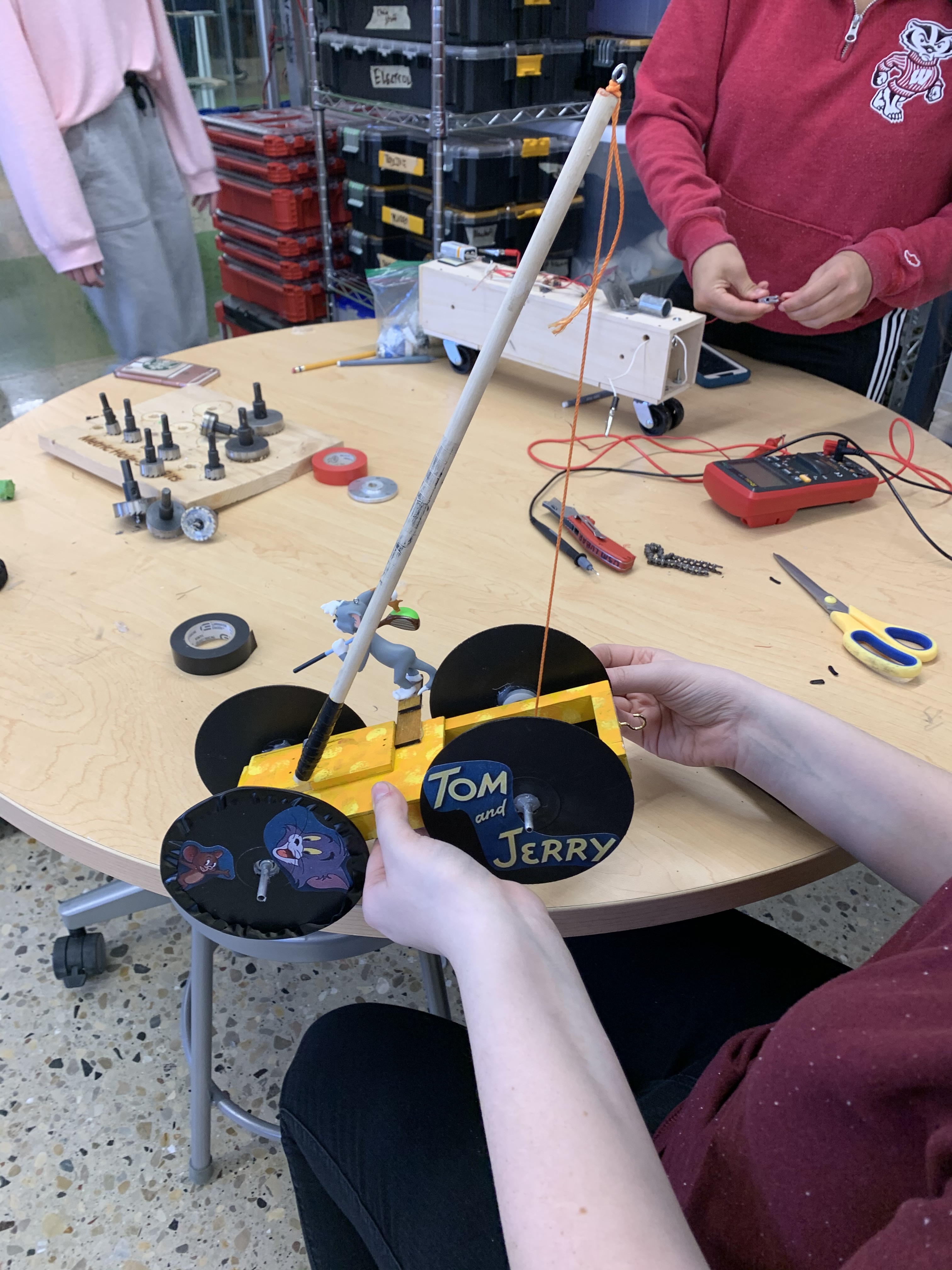 It was the week before first semester finals, or what is now termed Demonstrations of Learning (DOL), for the students that I work with at a well-resourced, highly achieving independent school. Students are accustomed to preparing for final examinations that have historically been done on paper. They complete free response, true/false, and multiple choice questions, complete empty maps and solve complex math and science equations among many other things that, for the most part, have not changed the last century. Students are extremely comfortable in this arena where they can expect much of the same evaluative processes with different content. As a student, I remember the comfort that accompanied the memorization of vocabulary terms across disciplines, writing papers, solving complicated problems, and completing essay questions. It was predictable and I could prepare, or in most cases, over prepare to tackle those assessments much the way students do today. In fact, I don’t see them playing games on their phones to solve problems or learn vocabulary. The use of notecards, notebooks, and Google docs, on occasion, are what I see the majority of students using to prepare for exams. The way they prepare is not that much of a departure from the past.
Predictability is exactly why students now struggle with assessments that require them to employ physics concepts to design, construct, qualify, and race a mouse trap car that will be measured in speed and distance that it travels, as well as the weight of the load it can pull the longest distance. Basically their mousetrap cars will compete in three different races that measure speed, distance, and endurance. It’s not a predictable assessment and for the most part is a messy project with no straight line to success. Students love to complain about how hard it is to actually build something and why it’s challenging to manage the time it takes to complete.
Students would be evaluated by their physics teachers who have prepared them well in class, Dr. Brigit McEwen and Dr. Amber Bakkum, using several instruments and a grading rubric with points assigned to each descriptor. The rubric included two categories: Qualification and Competition. Qualification included producing a car before the due date at 4 pm, that it was powered only by a single mouse trap, could travel one meter, had a minimum mass of 200g, and could fit within the racing lane that was 40cm in length and 30 cm wide. The Competition category was based on ranking in each of three races. In addition, students had to create a digital record with descriptors of their project including force diagrams, qualitative motion graphs, written, and pictorial documentation of the process, and a reflection on the success/failure of the project. It had to be neat, typed, and organized in a journal with points allocated to each component. Clearly, it was a project that required time and that’s why they were given a whole month to work on it!
Yesterday, the students I worked with remarked that they could predict the amount of time and methods they would use to be successful traditional test takers and were “freaked-out” by the unpredictability of their cars as they revised their prototypes several times to be successful. Of course, most students watched YouTube videos and read as much as they could to figure out how to build a successful car, but they must still actually build the prototypes themselves. There were a host of materials they used, but all must have been recycled materials making the project even more challenging. It’s not like the kids didn’t have time to work on the project; physics teachers provided class time a month ahead of the actual races to make sure students had the support and resources needed; nonetheless, days and hours before the race students became a little frantic. “My car won’t go straight! What can I do?” It’s terrifying for them to NOT know the answer and to have to figure it out without a straight line to the answer.
One colleague remarked that we should get rid of the assessment because it was freaking the kids out, and I couldn’t DISagree more. It is exactly the kind of experience the kids need to figure out without a helicopter there to rush in and save them. Don’t get me wrong, coaching the kids is important especially with the tools they had never used before including laser cutters, stop saws, drills, soldering irons, and 3-D printers. I believe the discomfort, or cognitive dissonance, that they feel during the process helps them to build resiliency which will actually reduce anxiety in the future.
Today is the race, and the kids are ready to go. All of the whining and reconfiguring of schedules to complete the project is behind them. They have grown and seemingly emanate a sense of confidence they didn’t have when the challenging, messy project began. They have learned how to handle situations with teammates when things went wrong with their mousetrap cars, how to better manage time when juggling responsibilities, how to create something from virtually nothing using tools they had never touched before, and some important physics principles. It was an inspiring week in the Lubar Center for Exploration and Innovation working alongside the kids as they navigated a different type of assessment challenge!


Posted in Uncategorized
Leave a comment
Healthy Screen Time
I recently met Dr. Delaney Ruston, a Stanford trained physician and the creator of several documentaries including her most recent work, Screenagers, which highlights the struggles families are having over gaming, social media, and the use of screens for learning and play. The goal of the film is to provide solutions for families on how to navigate screen time in healthy ways.
During Dr. Ruston’s small group discussion and visit with the broader USM parent community, she offered simple, straightforward tips for families. One suggestion she offered to help parents initiate and have an effective discussion about healthy screen time includes using the three V’s or VALUE, VALIDATE, and VILLAGE. By this she means that when parents have conversations with their children it is wise to acknowledge the VALUE of various screen activities including gaming and social media instead of automatically arguing with children that they are not good for them or have little value. Approaching the discussion by stating the value of something on a screen avoids creating a dualistic, right, wrong situation that can leave everyone frustrated with little to no positive outcomes. Acknowledging the value of screen time first, creates the opportunity to VALIDATE children’s desire to be connected using technology while at the same time offering the opportunity to begin a conversation regarding healthy ways to have screen time so that it doesn’t become a negative or destructive environment. By working with children to create healthy expectations around screen time at home and school a constructive VILLAGE culture is created. There is strength in numbers. The village recognizes the value of children’s screen time and strives to create quality computer activities for them to engage in as creators instead of consumers and maintains recommended guidelines.
To help parents and schools accomplish a community centered on healthy screen time, Dr. Ruston referenced the Wait Until Eighth movement suggesting that parents wait until eighth grade to give their children smart phones. The website sites nine reasons why parents should adopt this philosophy and suggests that parents sign the pledge promising not to give children phones until eighth grade. When 10 families in a grade at your child’s school have signed the pledge the site informs you so that the 10 families can support one another.
Lastly, Dr. Ruston shared applications that you can help you monitor your child’s screen time. They provide simple monitoring and management tools to achieve effective screen time for children taking the guess work and arguments out of how much screen time is actually taking place. There are resources available to help set screen time expectations, guide conversations, and manage screen time. It is ultimately the parents’ decision on screen time at home, and they can rest assured the school is doing everything possible to ensure that screen time on campus is vital to the learning process.
Posted in Uncategorized
Leave a comment
“Moving the Needle” with Students & Teachers
Over the last several months I have had a graphic that I created posted in my office that is based on an idea that Joe Sweeney shared with me and is in his second book, Moving the Needle. The idea is that Passions + Strengths + Service to others can/should equate (=) to one’s mission or life’s work.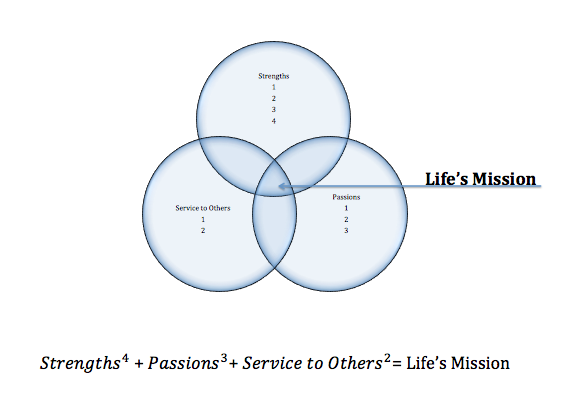
When you drill down far enough to clearly identify what you love to do when time is not limited, the skills you have developed, and how your efforts actively serve other people, you should be able to identify what I call the “Sweeney” spot, or place that we all want to find our careers and lives, for that matter. I added numbers to the equation at Joe’s suggestion to make it more multidimensional. There are several tools available in the world to assess strengths, including Tom Rath’s Strength’s Finder 2.0, so it does not have to be a challenge or time consuming thing to accomplish if you are struggling to identify where your strengths really lie. I also found an online survey that identifies thoughts and behaviors that direct people in ways that satisfy them. I’ve done both and think they are each helpful. Identifying what a person is passionate about doing seems far less daunting. It really comes down to what you love doing when time is your own.
Serving others seems so important and is often overlooked in how we plan our lives. I am happy and have seen first hand, how this simple “Sweeney” formula builds relationships and creates opportunities that would otherwise never existed. Serving others has a way of identifying who you really are, how much you care about people and things that are important to you and the community. Serving others goes miles farther than talking about change or what others can and should do.. What simple things can you do to make lives brighter everyday? Serving others doesn’t have to include huge acts or projects, but meaningful ones that don’t expect anything in return. Opportunities that grow out of the conversations and relationships that are created when people know you don’t expect something in return are endless and would never have occurred if you hadn’t acted.
In thinking about my career, I can’t help but feel really lucky that I am doing what I love. Maybe that’s it though; did I just keep pushing forward to create a life and work that have allowed me to use my strengths and passions in ways that serve others? When I reviewed my survey results and saw the following, I felt reassured. For you, finding a decision-making role is key. That could mean anything from producing a play to spearheading a global campaign for something you care about. In work, you’re suited for leadership positions in education, government, industry, finance, religious institutions, or politics. But you can find satisfaction anytime you’re given the autonomy to do things your own way.
In moving forward, I hope this formula can help the people I work with, both young, middle aged, and veteran teachers, find greater joy and success in their lives. To really make it effective though, I have to continue serving others in ways that embrace my strengths and passions. I know that in providing the formula as a tool, the Universe will share endless possibilities with all of us.
Posted in Uncategorized
Leave a comment


