
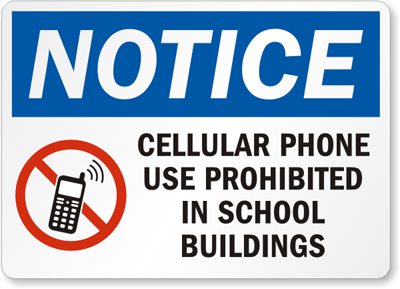
The conversation over banning cell phones in high schools presents a multi-faceted discussion, particularly concerning students’ mental health and academic performance. At the end of the 2021 – 2022 school year my team and I reviewed the mental health data we collected pertaining to the number of students requiring direct interventions to support them through their challenges. Not surprisingly, those students’ academic achievement also declined. Upon careful examination, the consistent issues that became evident in every situation was the lack of belonging and connection with heavy reliance on electronic devices, particularly cell phones, by these students. Furthermore, my team and I also tracked the data of students who were well-adjusted and academically successful and found that they participated in either athletics or the arts programs at school and interacted with one another during the school day with much less emphasis on the use of cell phones. In essence, they belonged to something bigger than themselves at school and relied on cell phones less to connect with one another during the school day.
While many people have proposed that technology makes students more connected, direct observations and anecdotal data indicate quite the opposite on campus. Therefore, we created two policies that endeavored to improve students’ well being and academic achievement. The first policy requires all students to either participate in a sport or the arts program, and the second policy bans mobile phones from being used during the school day. Not surprisingly, this was an unpopular decision and there were many who were unhappy with the decision. Nevertheless, the policies remained and there was an almost instantaneous change during lunch and flex periods on campus. Students were once again eating and talking with one another at tables instead of being focused on their phones and they were even beginning to engage in athletics and the arts during less structured times. It was truly incredible and the effects were almost immediately seen in the decrease of mental health and behavioral issues. The data after two years with these policies in place indicate tremendous success. Students’ mental wellbeing has improved by 94% as measured in the amount of mental health interventions required and academic achievement has increased significantly as measured in standardized test scores.
Here is a list of various aspects related to this important and timely topic:
1. Impact on Mental Health and Counseling Needs:
An increase in smartphone use among students has correlated with heightened anxiety, decreased attention spans, and greater reliance on virtual interactions. Banning smartphones could potentially reduce students’ need for counseling by limiting distractions and sources of stress, such as social media and constant connectivity. This, in turn, may foster a more focused and less anxious student environment.
2. Reduction in Bullying:
Smartphones can be a conduit for cyberbullying. Their presence in schools makes it easier for bullying to continue uninterrupted throughout the school day. Banning smartphones could lead to a significant reduction in bullying incidents, as students have less opportunity to engage in harmful online behaviors during school hours. Moreover, the physical school environment becomes a safer space, free from the extended reach of digital bullying.
3. Academic Improvements:
Numerous studies suggest that smartphone distractions can undermine students’ ability to concentrate on academic tasks. Removing these devices from the school setting could enhance focus and increase classroom engagement, thereby improving academic performance. This shift may also encourage better study habits and more direct interaction with educational content.
4. Differential Impact on Gender:
The observation that girls may benefit the most from the absence of smartphones in schools could stem from differences in how genders use technology. Girls might engage more in social media, focusing greatly on outward appearance and acceptance, which has been linked to higher rates of depression and anxiety. By removing smartphones, schools might see an improvement in the mental health and academic focus among female students.
5. Observations from School Settings:
Anecdotal evidence from school settings supports the idea of banning smartphones. For example, during lunch and other downtimes, students without access to their phones are more likely to engage in face-to-face interactions, thereby enhancing their social skills and reducing feelings of isolation or exclusion. These observations can provide practical insights into the benefits of such policies.
6. Challenges with Policy Enforcement:
Students who attempt to circumvent smartphone bans are often those who struggle most with social, behavioral, and academic issues. Addressing these challenges requires more than just enforcement of rules; it calls for understanding the underlying issues these students face and providing them with the necessary support to overcome these hurdles.
In summary, the discussion around banning smartphones in schools is not just about removing a distraction but also about creating a healthier, more engaging, and supportive educational environment. By examining the effects over the last 3-4 years and identifying specific benefits and challenges, educators and policymakers can better tailor their approaches to meet the needs of all students. At The Village School of Naples, the results of the policy decisions made two years ago provide evidence enough for my team and me to continue to fully support them as we strive to provide the healthiest and most positive environment for our students to be successful.


