Verse 17 & Leadership

This morning during my run I listened to Verse 17 of the Tao Te Ching and various interpretations. It got me to thinking about how leadership shapes the life of a school.

With the greatest leader above them,
people barely know one exists.
Next comes one whom they love and praise.
Next comes one whom they fear.
Next comes one whom they despise and defy.
When a leader trusts no one,
no one trusts him.
The great leader speaks little.
He never speaks carelessly.
He works without self-interest
and leaves no trace.
When all is finished, the people say
“We did it ourselves.”
Lao-tzu

Much of the hierarchal structures within school organization seemingly reflect leadership that creates various iterative changes, and that is somewhat true, but who are people really following? Is there a teacher, coach, colleague, organization, or parent that leads others in thought and action?

I’m not an expert by any means, but some of the people who lead me are not even in education; however, they gently initiate and guide the questions that I ask myself about learning and the life of a school and those lead to reflection, communication with others, and oftentimes actions that are quite different from anything I had originally thought, have even read about in my educational leadership journals, or heard about from the professional organizations or people that hold leadership titles at the top of an educational hierarchal structure.

The leaders ask great questions, tell meaningful stories, and create personal emotional connections that resonate in my mind where my imagination engages to create deep
connections within the brain and heart that encourage new ideas and conversations with my colleagues that shape what happens in a school. Actions that emerge are developed without force, to the extent that my colleagues and I find what we do our own choice, rather than a result of the leader. The beauty of leadership as taught by Lao Tzu canyon waterreminds me of water because it is soft, pliable, and yet able to penetrate and shape anything hard and rigid gently and over time.
Posted in Uncategorized | Leave a comment

My Reflection on the Pink Ribbons Inc Documentary

Yesterday, I watched the Pink Ribbons Inc documentary and appreciated how it drew light on the commercialization of the breast cancer movement and the exploitation of human generosity and trust. One of my USM colleagues, Monica Liberatore, mentioned the movie to me and I am very grateful to have invested the time to watch and learn from it. Pinkwashing was a new term to me; companies that say they support women with breast cancer while profiting from the illness are far too common. Consumers have to be vigilant of the fine print when it comes to purchasing “pink” items. How much money is actually donated to breast cancer foundations and what are the foundations doing with the money? Further, do the companies selling and profiting from the pink items produce products with known carcinogens in them? You’d be surprised to learn just how many companies fall into that category! There is a website to check the products you use just to understand how widespread this is.

I greatly appreciate that there are foundations working to find a cure for breast cancer, but according to current data only 15% of that money actually goes into prevention research. Even more startling is that 5% of the funding has been directed at environmental research. Considering that the Komen Foundation has invested nine billion dollars into research since 1982, and Avon, 380 million since 2003, why so little directed to prevention? How have the research dollars been directed and organized systematically so that the money efficiently drives health solutions? There are so many questions. Where are the answers?

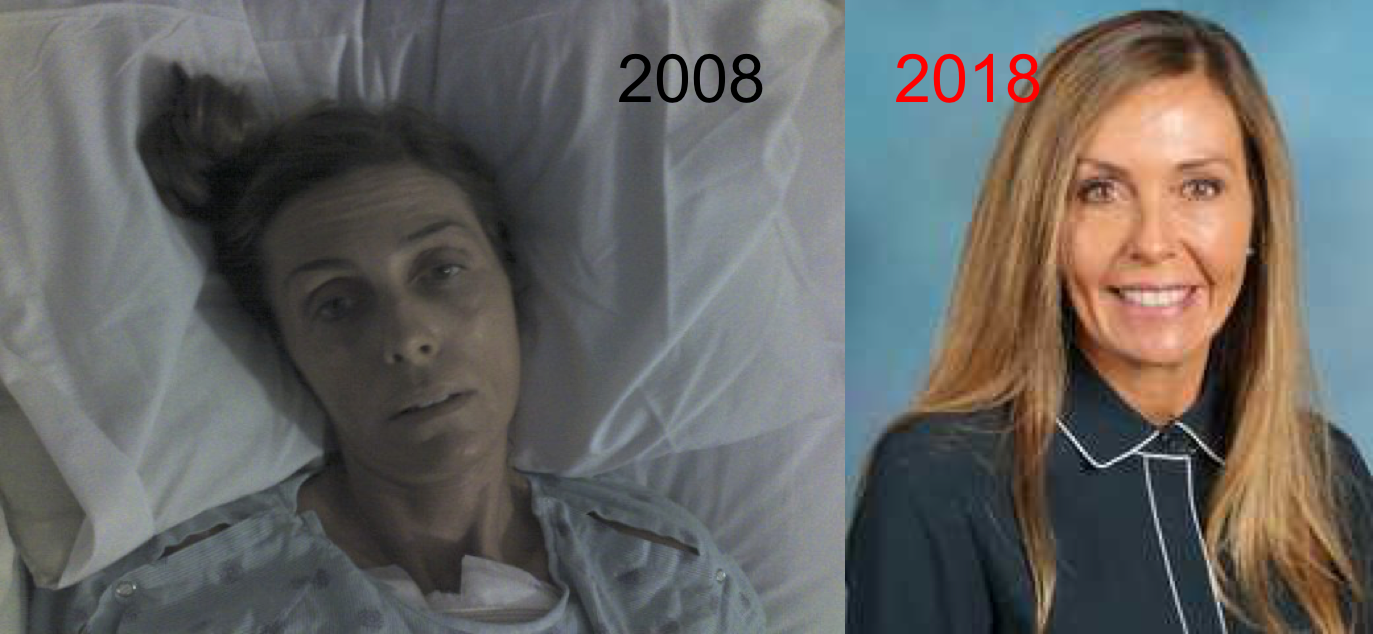
In reflecting on my own experience and the ugliness of breast cancer with my 27 year old daughter this morning, she provided me the picture in this post just to show how far from soft, pretty, pink everything was. It was ugly, and I am fortunate to be healthy today when many have died. “Fighting the battle,” as many people say is so unfair when those who have died, or are holding onto life with stage IV cancer, are as vigilant about their health as the people  like me, who do not die from cancer… Let’s pay greater attention to the details in life. Be a critical consumer when shopping and careful communicator when choosing the language you use with women who have breast cancer. There is a generous spirit in the world today to find cures for the many types of cancer and consumers have the power to hold companies and foundations accountable for the donations that are made. It’s time to pay greater attention and call them to task.

Cancer wasn’t pretty, but it increased my understanding of the disease and clarified my mission in life.
Posted in Uncategorized | Leave a comment

Organized Chaos

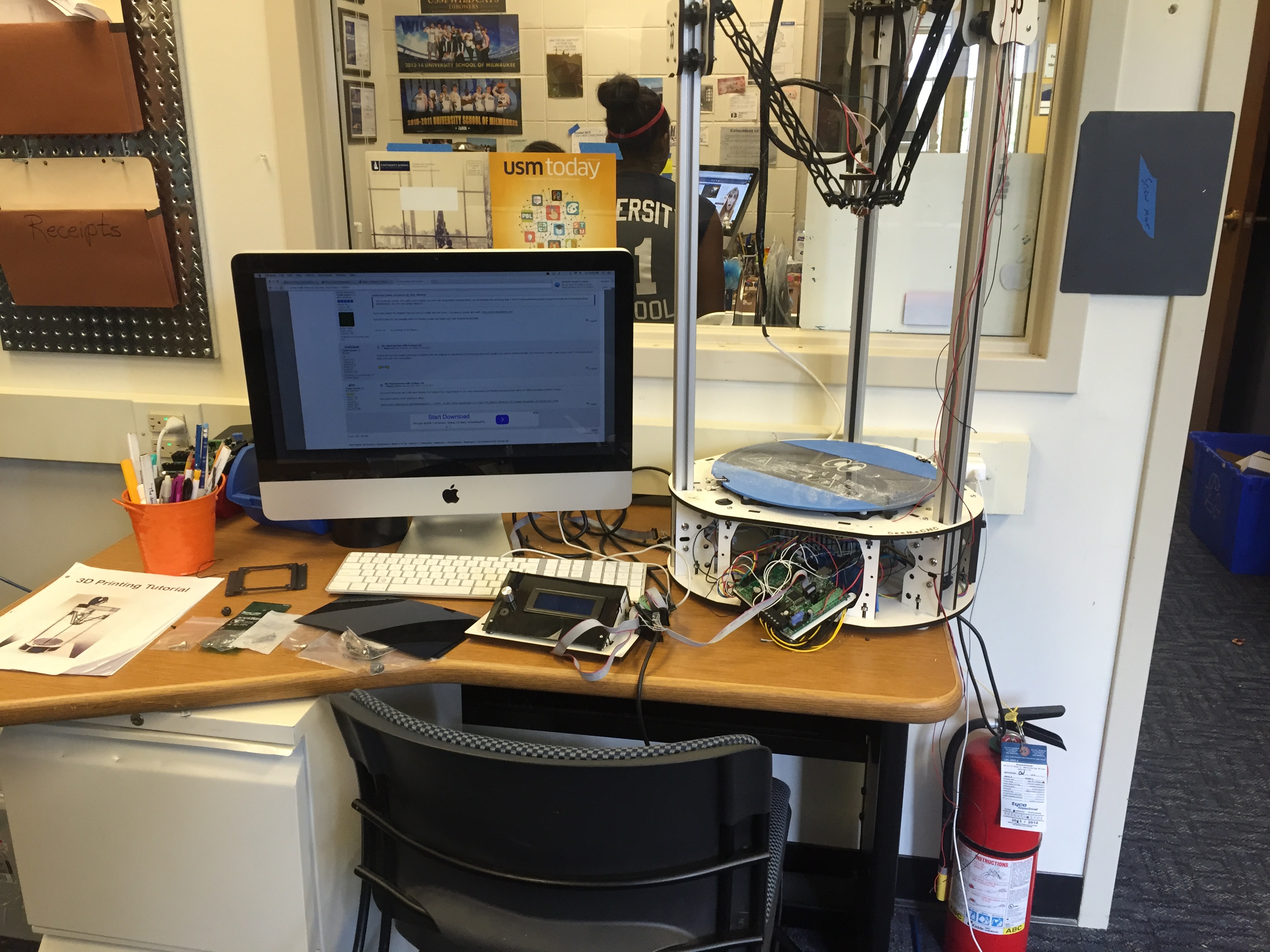
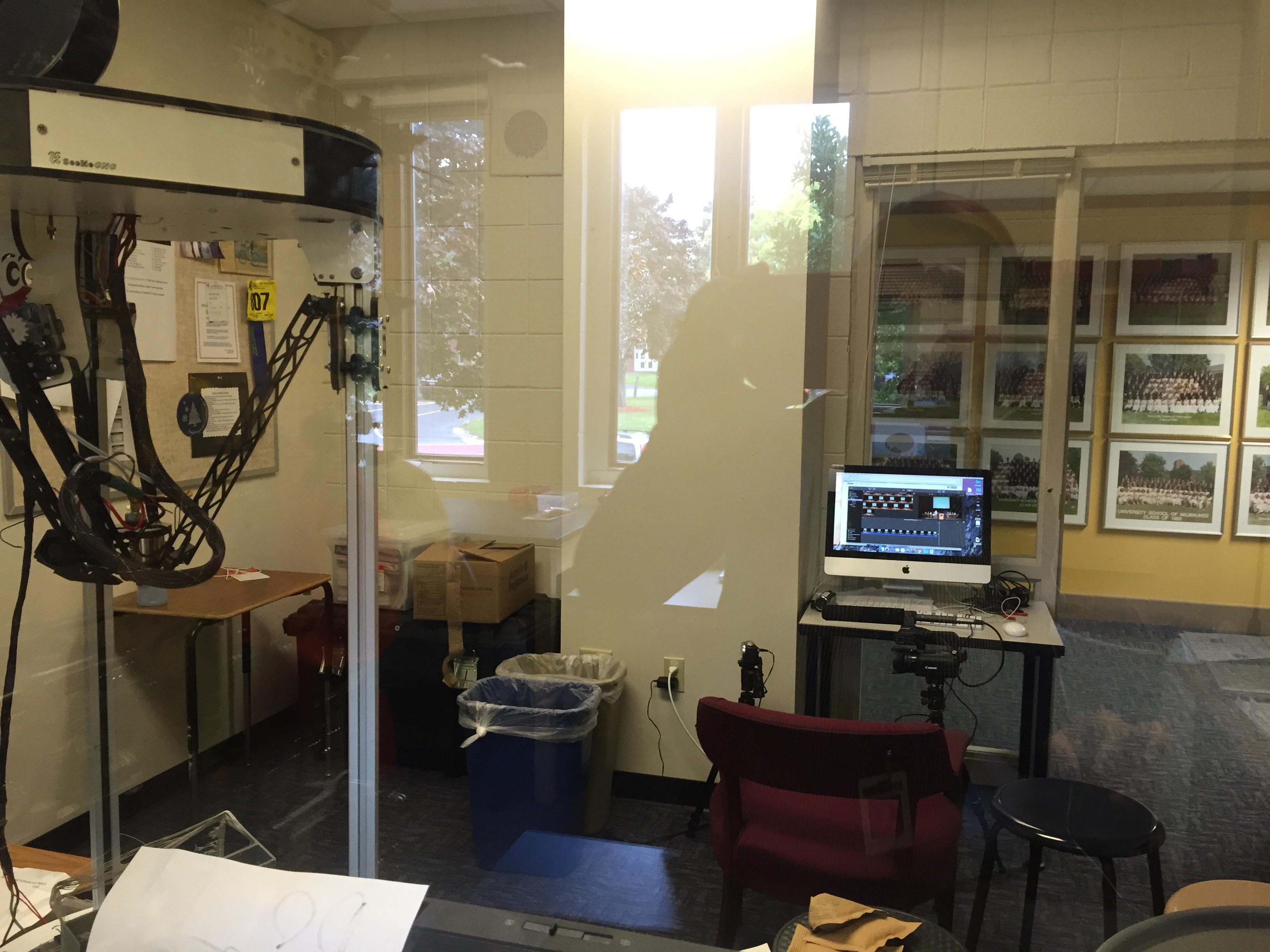
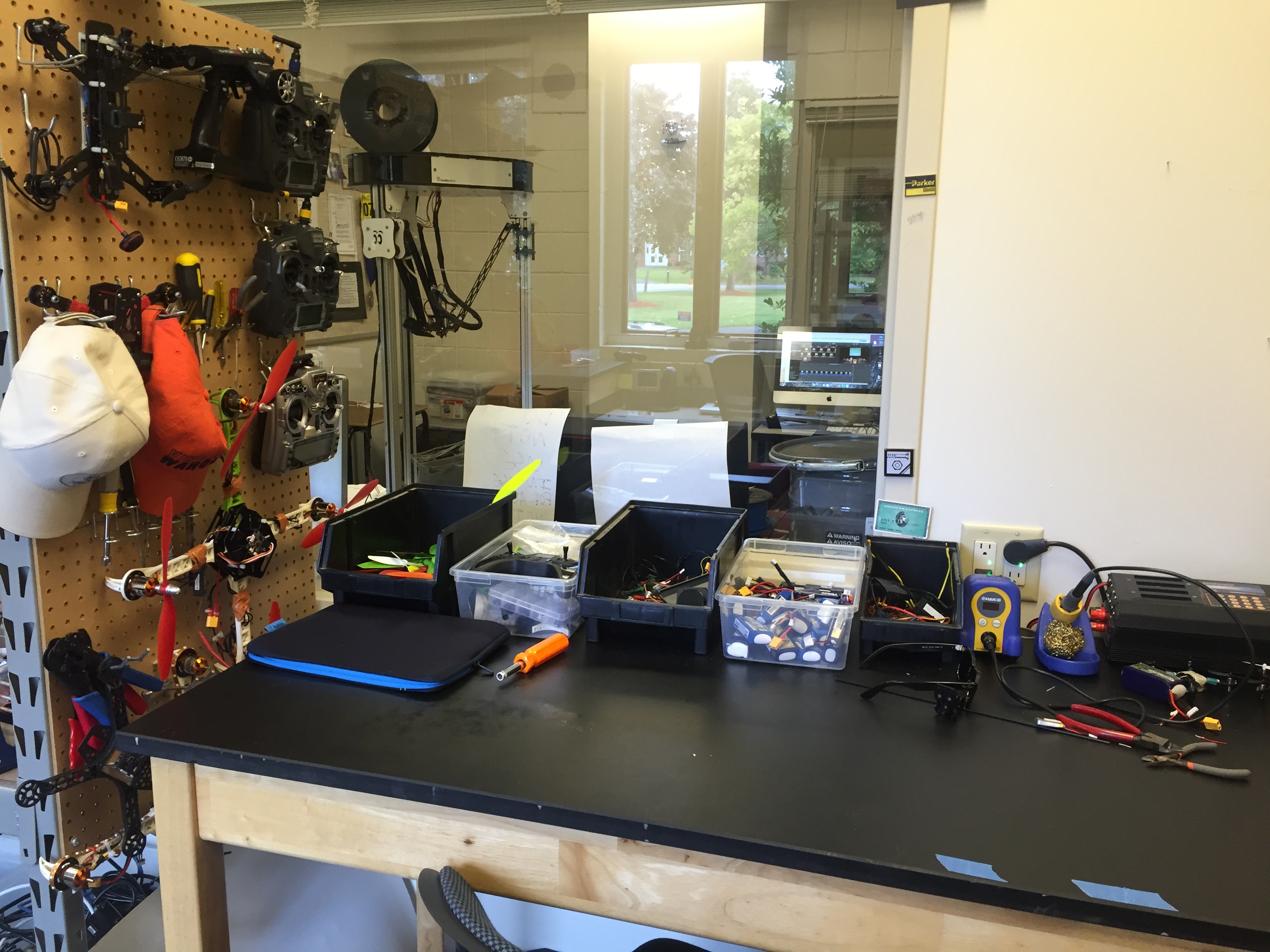
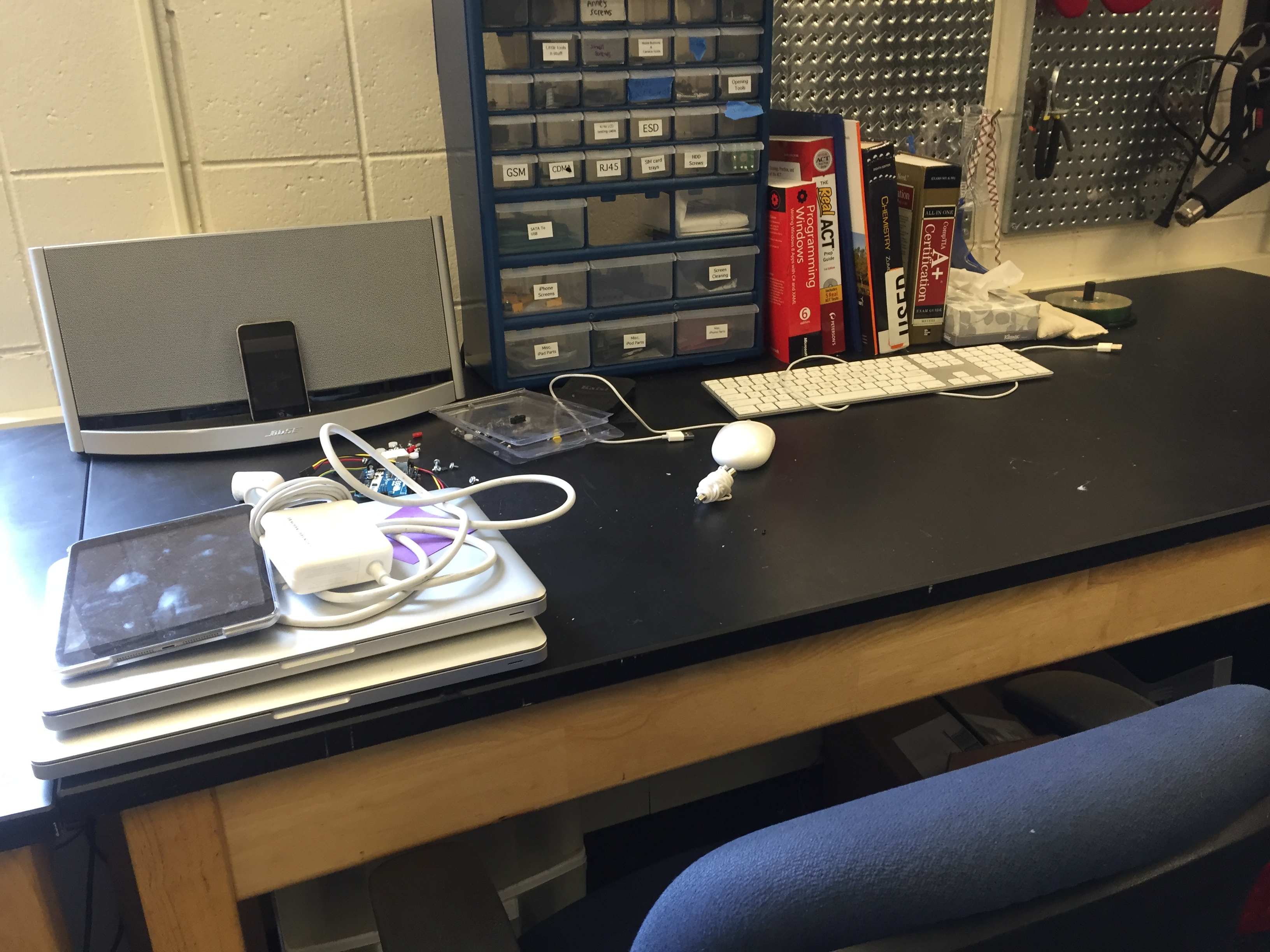
Today the students informed me that there is an open house at USM tomorrow and that we might consider organizing all the projects into areas in our space so that visitors could better understand what happens in the House of Technology.  I think they did a bang-up job, but can you tell what happens in these learning spaces?

IMG_0105 IMG_0106 IMG_0107 IMG_0109

Posted in Uncategorized | Leave a comment

Tinkering with Transformation

Yesterday, a friend mentioned that he could tell that I had been through some transformative experience in my life. Perhaps my daily rituals and worldview reflect a peculiar perspective on life or spirituality. Maybe it is my prayer and meditation sequence while I work out at the gym daily. I’m not sure exactly where the comment came from, but it got me to thinking back to a time when everything changed for me and tinkering with how that impacts my life as I know it now and in the future.

Most people who watch others go through cancer treatment and surgeries likely understand the pain and perseverance needed to survive. When problems arise that darken medical situations it takes suffering to a whole new level. That’s when life changed for me during my cancer battle. I’ll call it that, because it was a knock-down-drag-out war.

I remember feeling such incredible amounts of pain that I didn’t think I could really handle another hour and prayed that I would either die, or heal so the pain would simply end. Medication only made me sick making everything feel even more painful, so relief escaped me. One really terrible night while I was laying down on the only side of my body that wasn’t sutured to find peace in sleep, I could not find relief anywhere. As I laid awkwardly, I examined a picture of my family across the room thinking about how much I loved them, and wondered how their lives would be without me. I seriously contemplated whether they would they be alright without me, without the unconditional love I had for them; at the same time, I knew I couldn’t handle the suffering much longer.

Then, quite suddenly, I felt a warm presence and saw the most luminous, bright, spirit-like, yet human creature with golden eyes that shone like the sun. I wasn’t afraid, just drawn to it with amazing magnetism as it seemed to hover above me. I instinctively knew that it was an angel.  I said, “I can’t handle the pain much longer. Please help me.” It asked, “Are you ready to come with me?” I wanted to go with the angel, but knew that I had things to do with my family and with others who I had been drawn to live and work with in my life. My children were at such pivotal places in their lives and my heart broke at the thought of my husband trying to raise them without my love and support. I replied, “I need to say. I’m not ready to leave here yet because I know that I have work to do.” With those words, immense relief and heat flooded my body. I got up slowly knowing I was healing and the light and angel vanished. I sat for hours trying to reconcile what had just happened feeling love and warm energy move within me. It was singularly the most amazing, life-changing experience I have ever had and it compels me to live the way I do today.

I told the angel that I had work to do and wasn’t ready to die yet. Those words became my bond and guide in life. What is that work? As a mother and wife, it is loving and so easy. More broadly, however, it means loving others by using my skills and knowledge to help them, to serve them in ways that help them grow and live joyful lives. The things I say and do in my relationships with friends, parents, students, colleagues, and acquaintances, or anyone have the potential to make a positive difference in others’ lives. This is THE conscious thought I have when I open my eyes every morning and set my intentions. Sometimes I have to remind myself of this when life gets challenging and unloving emotions want to converge in difficult situations, but the bond I made wins. The life-changing experience I had when I was sick changed everything about my life because everyday everything I do drills down to simple things. My work is serving others with love and using my God-given skills, knowledge, and passion.

Posted in Uncategorized | Leave a comment

Microcontrollers & Robots for Little Ones

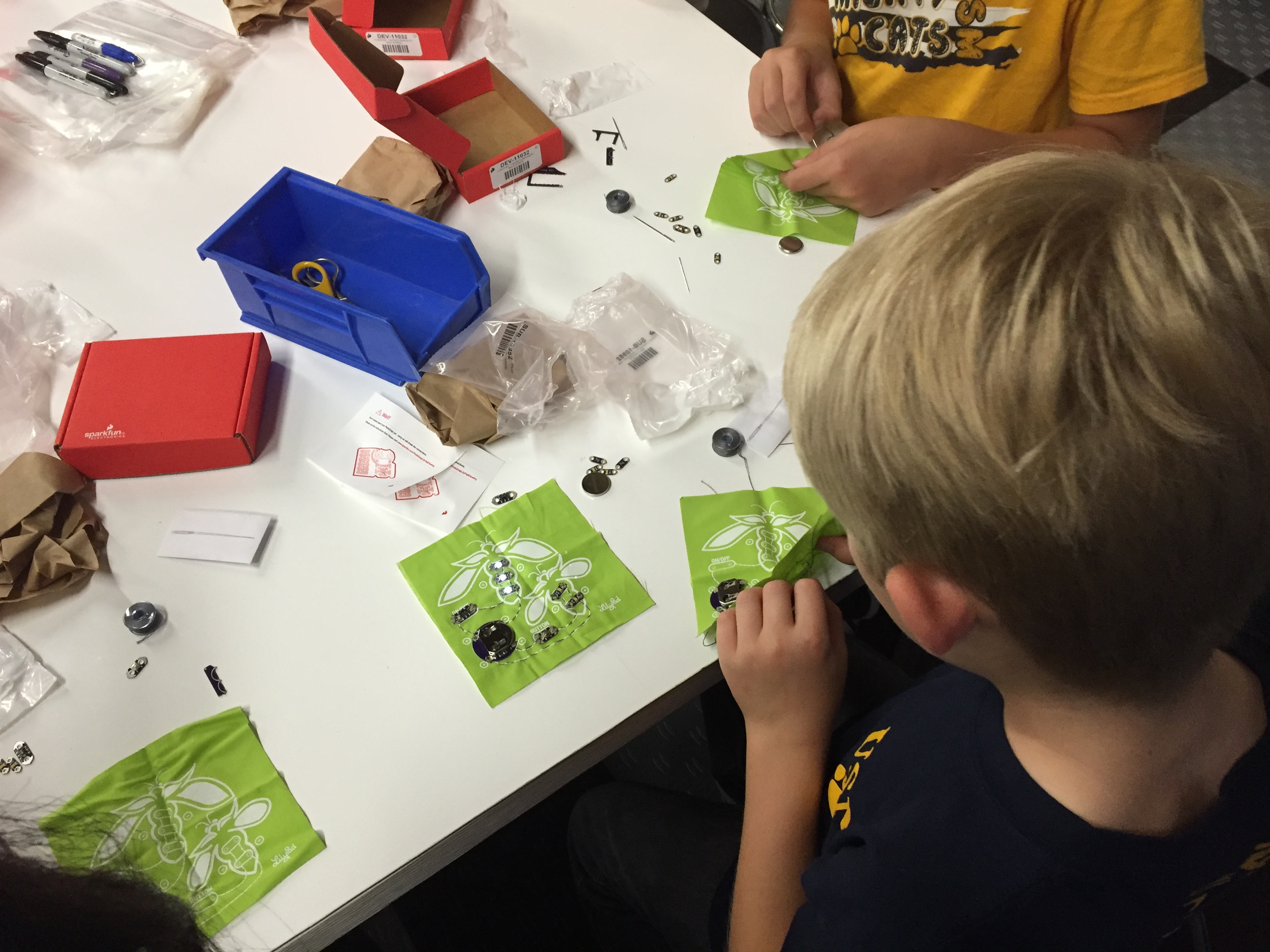
This afternoon the Wildcat Creation Station in the Lower School at University School of Milwaukee was in full swing! Young students experimented with Lilypads, a variation of the Arduino micro-controller, that is designed to be used in clothing and other textiles. Students sewed the Lilypad into their designs using conductive thread, rather than wires, to create circuits that work with sensors and lights controlled by drag and drop programming written with Ardublock software. Critical thinking, problem solving, and creativity were evident as students learned, as were enormous amounts of sheer joy!

IMG_0102IMG_0099Students also programmed Dash, their robots, using the Blockly app on iPads to explore variables, events, and conditions as they raced one another across the room. Students were engaged and challenged as they learned new concepts with developmentally appropriate tools that will grow in sophistication as they progress at USM. Like the Upper School’s House of Technology, this space was a little noisy, messy, and full of engaged learners! I can’t wait to visit again soon!

Posted in Uncategorized | Leave a comment

Be daring, be original, be yourself!

I recently wrote several college recommendations for USM students in the House of Technology. Each letter reminded me of where the students began working with me almost four years ago and my conversations with them about what they liked to do and how it had the potential to shape their futures in ways that would add meaning, direction, and growth in their lives. I’m not sure those words meant a lot a few years ago; however, the students have matured, some more than others, and now understand what I meant when I asked them to be themselves and dare to imagine and dream about big things instead of letters on a report card. I’m not saying letters don’t matter because the system we use to enter college today requires strong grades, but I wanted the kids to think more about learning and less about letters and grades. Essentially, I gave them carte blanche to create a program with me that would help them learn and grow in ways that interested them. I knew their efforts would not be in isolation and that the critical skills they needed would accompany their efforts and desire to learn about technology.

Teachers, including me, want students to learn without dangling an abstract letter grade in front of them to earn in recognition that they have mastered something deemed worthy by an adult or system. Children are hard wired from birth to learn; they’re innately curious and want to figure things out as seen by the rapid progression of development from birth to kindergarten where play is the primary mode of learning. How do you emulate that kind of natural development with high school students? How do you make students the decision makers of their learning?

The House of Technology, a program that my students have created with a little help, is ungraded and involves solving messy and complicated problems, tinkering with computers, 3-D printers, drones, and electronics, and debating effective solutions with one another. This is not a neat process, but one that requires a flexible environment where noise and mess are inherent to the process. Sometimes there is no clearly defined solution and a problem has to be solved in ways that haven’t been delineated yet.  For example, a 3-d printer breaks and there is no part available on the market to repair it. What do you do? Can the part be designed in CAD software and made? How? These are everyday problems that the students face and are motivated to solve. It takes critical thinking to determine what is needed and how something can be achieved to be successful in this environment. Failure is part of the process, albeit frustrating, but necessary. Students document their failures, redesign elements of their projects, and test them again until they are successful. It takes many iterations sometimes to arrive at a successful solution, but the tenacity and skill set developed using this kind of process will pay off when obstacles appear in these students’ lives later. I’m counting on it anyway.

When projects come to fruition successfully students are excited to communicate their solutions and the process they used to find them. I think this is one of the only situations I have seen in which some of the students are excited about writing and publishing overall. The purpose behind the communication drives and encourages them to explain with detail and clarity, things that come from within the students and not an assignment that I will grade. Granted the students will get feedback from me on their efforts because I have to understand what they have done, but the greatest feedback they get on their problem solving and communication comes from their peers who are deciphering the puzzle solved and if there was another way to solve it more efficiently and at less expense.

Many times the problems being solved by students have led to areas of interest that have consistently grown into longterm projects. From building robots to apps to multi-rotor drones to fixed wing/multi-rotor drones, to desktop hydroponic gardens controlled by phones, the students have made tremendous gains in knowledge and skills. I didn’t plan their deep learning with a thorough syllabus, but by creating an environment where curiosity could be explored and supported as directed by the students. The process has truly added meaning, direction, and growth in their lives, the intended outcome that students have only begun to understand as seniors at USM. I will be most interested in talking with them throughout the years ahead as their curiosity, interests, and strengths lead them into fulfilling careers and joyful lives.

Posted in Uncategorized | Leave a comment

The Third Teacher

The learning Space is a third teacher providing the setting to nourish creativity, motivation, reflection, and collaboration as much as the teacher or parent. While teachers create conditions by which students develop meaningful projects tied to real pursuits, the learning space should be inviting enough to inspire students to roll up their sleeves and work together to develop ideas and solve problems that matter to them. When students learn and work, their projects evolve through an iterative process much the way spaces must do. So what do these modern constructionist spaces consider and look like?

When I think about where I began with students when we designed the space for the House of Technology, a modern constructionist space, and how that has evolved, I can’t help but stress the importance of defining the intent of what happens in the space and having students involved in the design process. How you design the space will affect the behaviors, culture, and priorities of the people who use it. IDEO, an innovation design firm, offers a useful way that I used with the students to think about the design in four categories including places, properties, actions, and attitudes. Places are spaces that share an overall purpose like hallways, properties are components of a space that can be modified to impact behavior, actions are the behaviors that will occur in the space, and attitudes are the values that are central to the space. Each of the four categories are investigated deeply to identify how the space should look, feel, and function.

There can be overlap in all of the categories. When examining the place category one can determine which of four areas will best support the desired behaviors. Will there be a place where people meet or gather? How will the place connect to other places to set the tone or mood of the place? Will there be a place or individuals or groups to call home to create, store things, or share their projects? What kind of support structures will be necessary to support the behaviors in the room? There are many things to consider that come to light when setting the stage for creative collaboration and many voices to include and consider.

Even today, the space in the House of Technology HOT-Logois in an iterative process as students configure areas to pursue mindful endeavors and recommendations are shared to invest in and continue to improve the space as new ideas and technologies become available to empower students to transform and improve the world in which they live.

Posted in Uncategorized | Leave a comment

A Weekend Watching PeeWee Hockey

This weekend I attended a hockey tournament with my husband, Kelly, who volunteered to coach a PeeWee A team this year. He coached for many years when our own children played youth hockey before our son played college and professional hockey; therefore, I thought I knew what to expect as a spectator and avid supporter of athletics for children. I was wrong because I observed situations that are quite different from the extensive hockey parent experiences I have had in the past, and am working to understand one major change I observed.

In light of Angela Duckworth’s research on the growth mindset, expectations for success with appropriate scaffolding improve outcomes for children. Children’s abilities are not fixed, and can dynamically trend upward when provided experiences where they have to “stick with it” when things get challenging. She explains that ability is not the only thing separating successful children from those who struggle. Her theory emphasizes the importance of “grit” as a predictor of success. Why is it then, that parents are running interference for their children to help them have advantages without providing them the opportunity to work through challenging situations? In fact, I actually observed one parent making notes of the mistakes a player, who was not her son, was making on the ice. To add to that newly observed behavior, I observed a team parent express negative information about a player to the other team to induce punitive actions against one of her child’s teammates. Why on earth would adults behave like this at an athletic event to support the growth and development of children? I wondered if child athletes were provided the opportunity to work through any challenges that they experience without their parents trying to “fix” things through confrontational emails, negative communication with others about children, and organizational threats sent to the adults who voluntarily coach their children. Shouldn’t all of these adults be working together to help children grow into successful young adults with greater skill and grit? I could not believe what I observed and think this unfortunate change in sports is a huge disadvantage to children.

I believe that children/teammates should be encouraged to communicate and workout misunderstandings together understanding the expectations defined by the coach and organization. The structure and expectations are vital to developing a common sense of mission and helping each child grow individually while working together and improving success for the entire group. As a classroom teacher and dean, I have seen successful applications of this pedagogical approach for decades and truly hope that parents begin to see the advantages that skinned knees can provide children in helping them develop into successful young adults who can work through adversity in healthy and positive ways.

December 7, 2014Leave a reply

Posted in Uncategorized | Leave a comment

Sweeney’s Formula: Educational Case in Point

Students from the House of Technology, a technology solutions center on campus that they designed and created, have found a way to use Strengths + Passions + Service to

Screen Shot 2018-05-23 at 12.23.06 PM

Others = Mission/Work. This winning formula for success was shared with me by JoeSweeney while he was writing his newest book, Moving the Needle, and it has helped me to frame why students in the House of Technology at University School of Milwaukee are thriving in life as learners and leaders. The students who participate in the House of Technology spend at least one hour in the program space daily during community and flex times on challenging work that helps others at USM significantly. Their work provides them mastery of content, autonomy to investigate things1pic that interest them, and purpose because they serve others in their technology endeavors, three elements Daniel Pink proposes as motivational factors.

Some of the problems these students solve are extremely high-level and require substantial collaboration to find the best solutions. It is not uncommon to see them using old technology to brainstorm and problem solve. They have a budget to consider and know that cost effective solutions result in a better bottom line and that is another key to the program’s success. Students are given opportunities to find solutions that lead to consequences that are their own, one of the best learning tools I have seen for students that are use to memorizing content to acquire skills and earn a grade that has little real significance to the broader community. Their results affect a bottom line they manage to grow their program and serve others they go to school with.

Yesterday, I presented with the students in the House of Technology2pic at a national conference called ISACS, attended by primarily independent schools, and they surpassed any expectation we had set together for the group’s work.

The intent of the presentation was to share the three components of the program including

  • technology support in a 1:1 school with wireless projectors, Apple TVs, multiple networks, and Smart Boards,
  • repairs of virtually any IOS device or computer
  • project work: setting up servers, building 3-D printers, designing labs, and building apps,

so that other schools can go back and implement similar programs in their schools to engage students in learning, improve the community, and generate revenue. They were glowing in their leadership and impressed many administrators by the sheer love of their work and expertise. Their passions, strengths, and service to others were highlighted in their efforts igniting excitement in the independent school community.

Last night, as a result of their efforts, I responded to a large number of email requests to visit the students on campus and learn more about the House of Technology. When I shared the communications this morning with the students, they were excited to help the schools begin their work. Their efforts to help others by sharing their work have opened up many unexpected opportunities. I feel certain that the House of Technology will continue to blossom because of the original formula from which it originated.

Posted in Uncategorized | Leave a comment

“How come this isn’t working?”

A great number of people don’t like to begin the day with problems, but the students that work in the House of Technology at USM seem disappointed with there is nothing going wrong, blowing up, and they can’t dive headfirst into solving a real, complex problem that they know will directly improve something at school. While there are a great deal of other activities the kids can engage in when iPads are not broken, Smart technology and laptops are working, and everyone can get their work done with technology, there is something inherently engaging for the kids when they know their work is real, that it matters, and will require critical thinking, and higher-level problem solving. If they have to research, contact experts, take apart systems, and price parts to put something together in a way that improves outcomes, they really come to life. Sure this is messy and difficult to grade. Yet it is real and challenging and full of the twenty-first century skills we know our graduates will need when they leave school. It is what I see my college graduates doing in occupations that are evolving before their very eyes.. The question in my mind these days is, “How can every student participate in an applications model where they solve real problems on topics that matter?” Content is vital to solving the problems these kids face, but does it need to be memorized and spewed back on tests? We have got to stay the course and continue to press for better demonstrations of learning to prepare students for a world that is dramatically different than the one most schools are preparing them for. 

Posted in Uncategorized | Leave a comment