Yesterday, I watched the Pink Ribbons Inc documentary and appreciated how it drew light on the commercialization of the breast cancer movement and the exploitation of human generosity and trust. One of my USM colleagues, Monica Liberatore, mentioned the movie to me and I am very grateful to have invested the time to watch and learn from it. Pinkwashing was a new term to me; companies that say they support women with breast cancer while profiting from the illness are far too common. Consumers have to be vigilant of the fine print when it comes to purchasing “pink” items. How much money is actually donated to breast cancer foundations and what are the foundations doing with the money? Further, do the companies selling and profiting from the pink items produce products with known carcinogens in them? You’d be surprised to learn just how many companies fall into that category! There is a website to check the products you use just to understand how widespread this is.
I greatly appreciate that there are foundations working to find a cure for breast cancer, but according to current data only 15% of that money actually goes into prevention research. Even more startling is that 5% of the funding has been directed at environmental research. Considering that the Komen Foundation has invested nine billion dollars into research since 1982, and Avon, 380 million since 2003, why so little directed to prevention? How have the research dollars been directed and organized systematically so that the money efficiently drives health solutions? There are so many questions. Where are the answers?
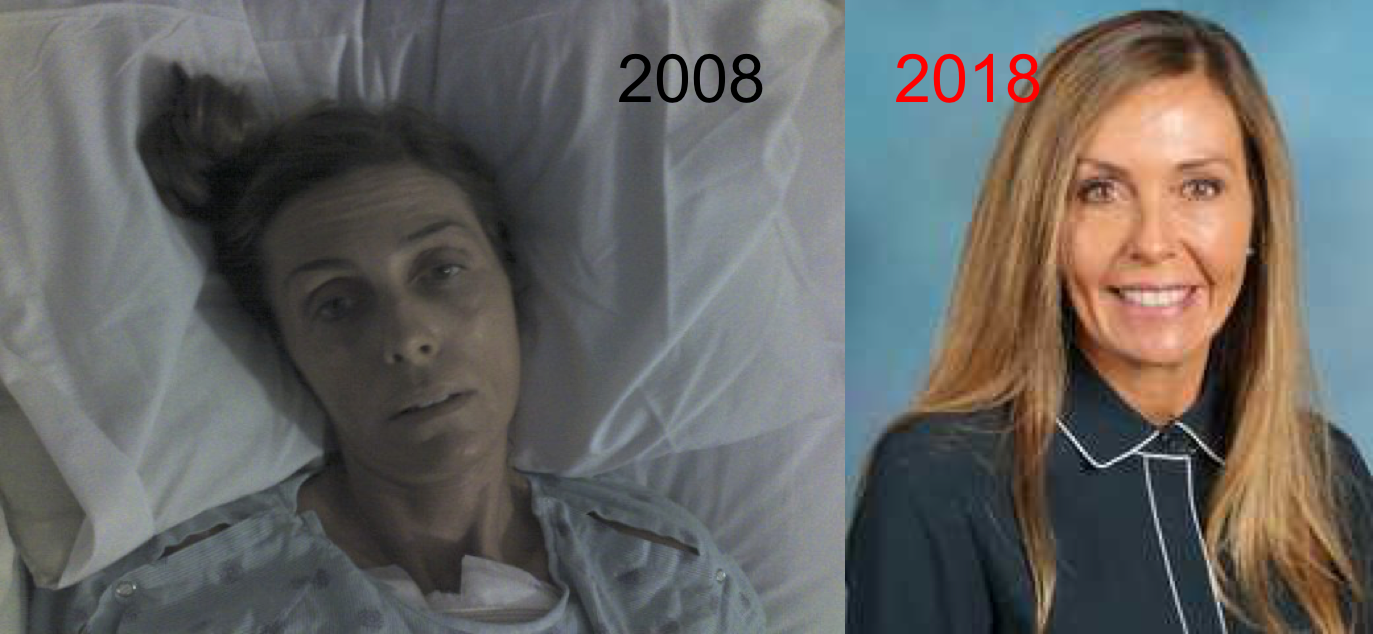
In reflecting on my own experience and the ugliness of breast cancer with my 27 year old daughter this morning, she provided me the picture in this post just to show how far from soft, pretty, pink everything was. It was ugly, and I am fortunate to be healthy today when many have died. “Fighting the battle,” as many people say is so unfair when those who have died, or are holding onto life with stage IV cancer, are as vigilant about their health as the people like me, who do not die from cancer… Let’s pay greater attention to the details in life. Be a critical consumer when shopping and careful communicator when choosing the language you use with women who have breast cancer. There is a generous spirit in the world today to find cures for the many types of cancer and consumers have the power to hold companies and foundations accountable for the donations that are made. It’s time to pay greater attention and call them to task.