For decades, we have claimed that education must evolve.
We talk about creativity, critical thinking, adaptability, and purpose.
We talk about preparing students for a world shaped by artificial intelligence, rapid change, and global complexity.
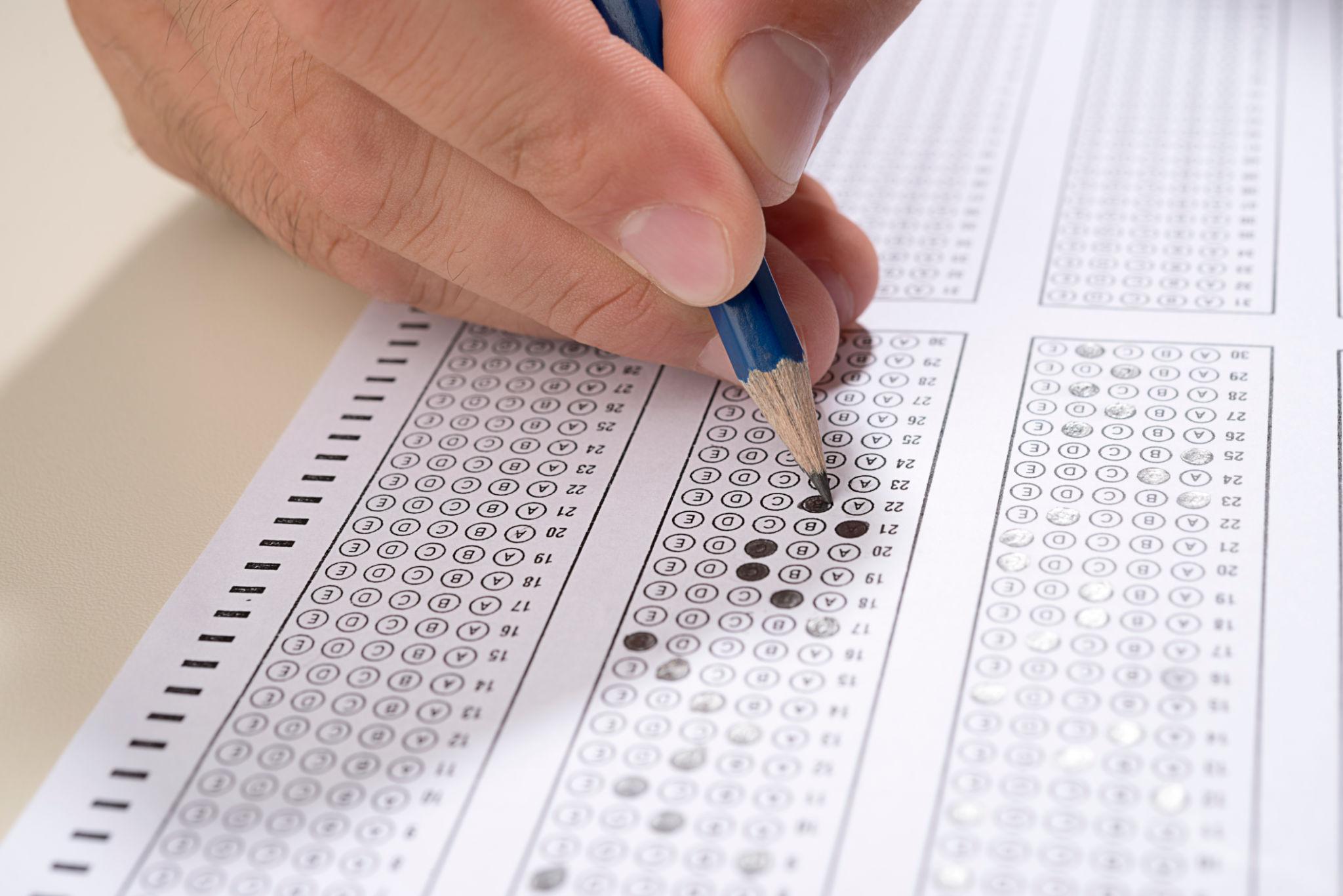
And yet, we continue to rely on standardized tests to tell us who is “smart.”
There is a disconnect here that we can no longer ignore.
Standardized tests were built for a different time.
They were designed to sort, rank, and standardize during the industrial age when efficiency and uniformity were the goal.
But that is not the world our students are entering.
Today, success requires originality, resilience, collaboration, and the ability to think in ways that cannot be captured in a multiple-choice format. And still, we devote enormous amounts of time in schools to preparing students for exams that measure a narrow slice of human capability.
Programs like Advanced Placement, administered by the College Board, add another layer to this system. On the surface, they offer rigor and the promise of college credit. In practice, they reinforce the same model of standardized assessment.
AP courses often become another sorting mechanism.
They reward students who test well within a very specific structure and pace, while overlooking many others who are equally capable but demonstrate their strengths differently.
And the stakes are high.
Students are told that these scores define readiness.
That they determine access.
That they signal who is ahead and who is not.
At the same time, this system has become a powerful financial engine. Families pay for tests, for preparation, for multiple attempts. Schools invest time and resources to support it. The incentives are clear, and they are not always aligned with what is best for students.
What we call “merit” is often shaped by access to preparation, repetition, and familiarity with the test itself.
And students who are capable, curious, and driven can be left behind because they do not perform well in a narrow, timed, standardized environment.
This is not just a measurement problem. It is a design problem.
If we are serious about preparing students for the future, we need to rethink what we value and how we measure it.
Assessment should not be about sorting students into narrow categories.
It should be about understanding how they think, how they grow, and how they contribute over time.
We need systems that recognize multiple forms of excellence:
The student who can design and build
The student who can lead and inspire
The student who can solve complex, real-world problems
The student who demonstrates resilience, curiosity, and purpose over time
These are not secondary skills. They are the skills that will define the future.
And they are largely invisible in our current models.
This does not mean abandoning standards or accountability.
It means evolving them.
Portfolio-based assessment
Performance tasks
Capstone projects
Internships and real-world application
Longitudinal demonstrations of growth
These approaches already exist. Many schools are moving in this direction. Higher education is beginning to follow. Employers have been signaling this shift for years.
The question is not whether change is possible.
It is whether we are willing to let go of systems that feel familiar but no longer serve our students.
We cannot continue to say we are preparing students for the future while measuring them with tools from the past.
If we truly believe in the potential of every child, then our assessment systems must reflect the many ways that potential can be realized.
Anything less is not just outdated.
It is misaligned with the future we claim to be building.


